Understanding HVAC System Efficiency Ratings
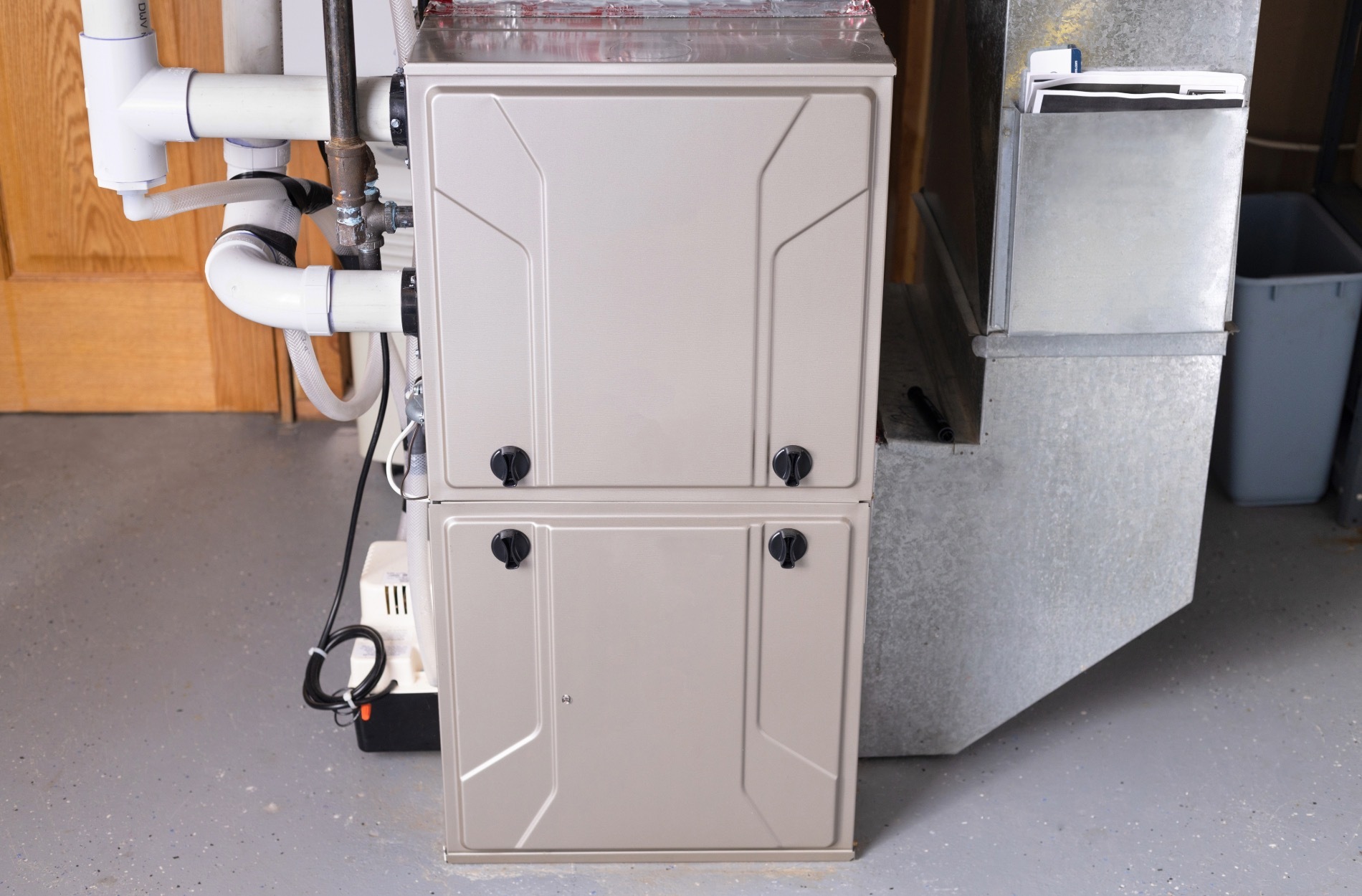
HVAC system efficiency ratings are critical for homeowners looking to optimize their energy consumption and reduce utility bills. These ratings, often represented by SEER (Seasonal Energy Efficiency Ratio) for cooling systems and AFUE (Annual Fuel Utilization Efficiency) for heating systems, provide a clear indication of how effectively a system converts energy into heating or cooling output.
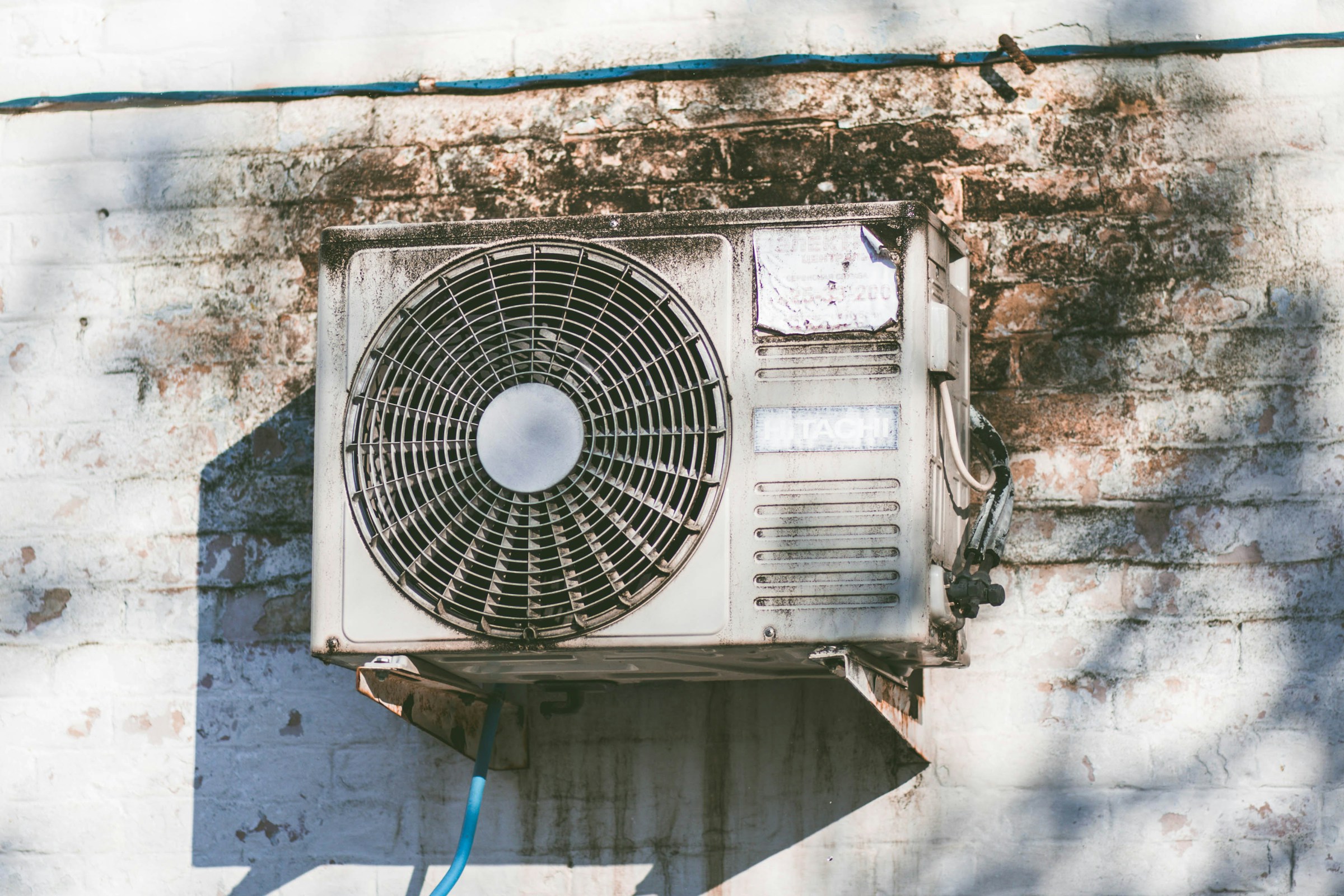
For instance, a higher SEER rating indicates a more efficient air conditioning unit, which can lead to significant savings over time. Understanding these ratings helps homeowners make informed decisions when purchasing new HVAC systems or upgrading existing ones, ensuring they choose units that align with their energy efficiency goals.
Common HVAC Installation Mistakes to Avoid
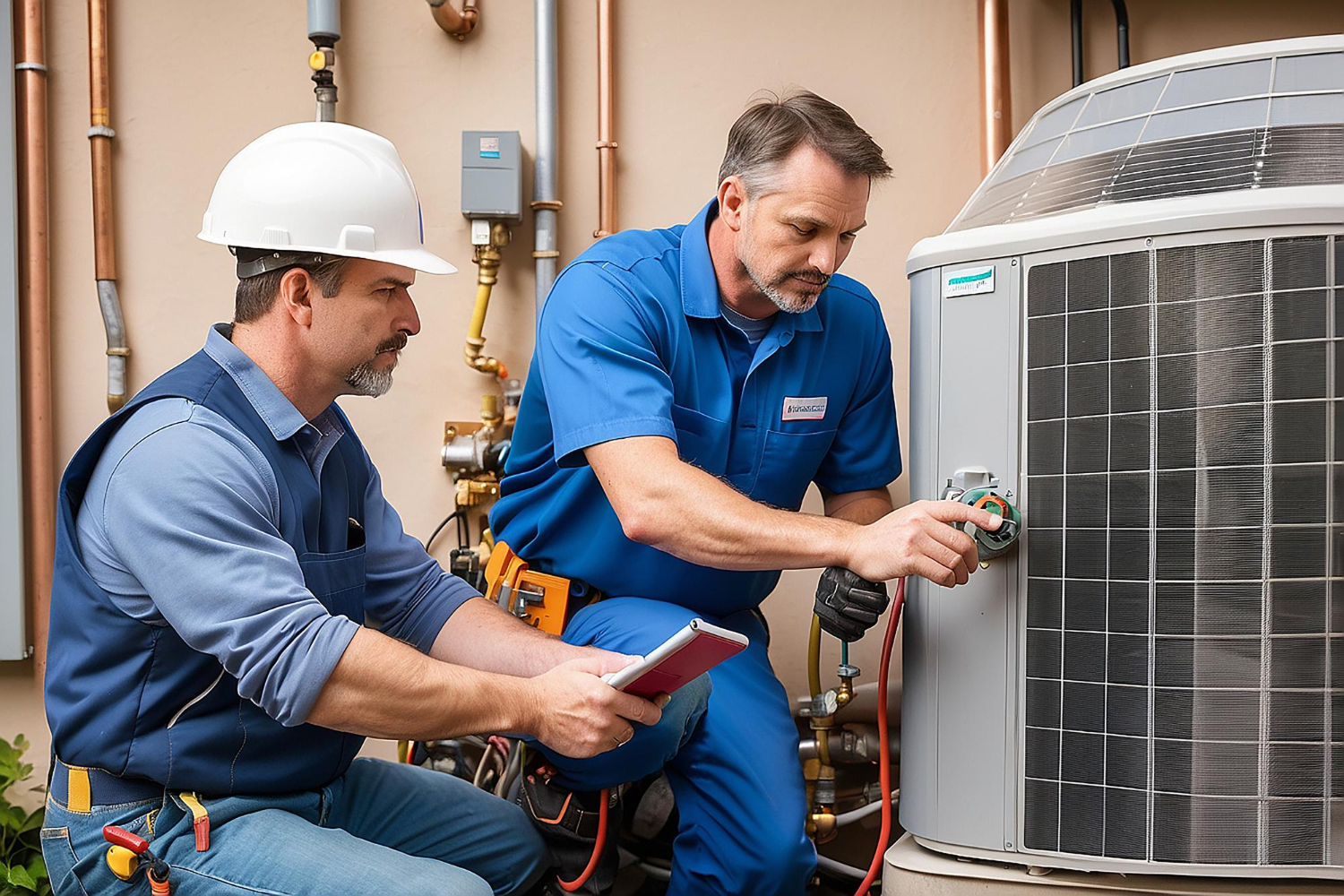
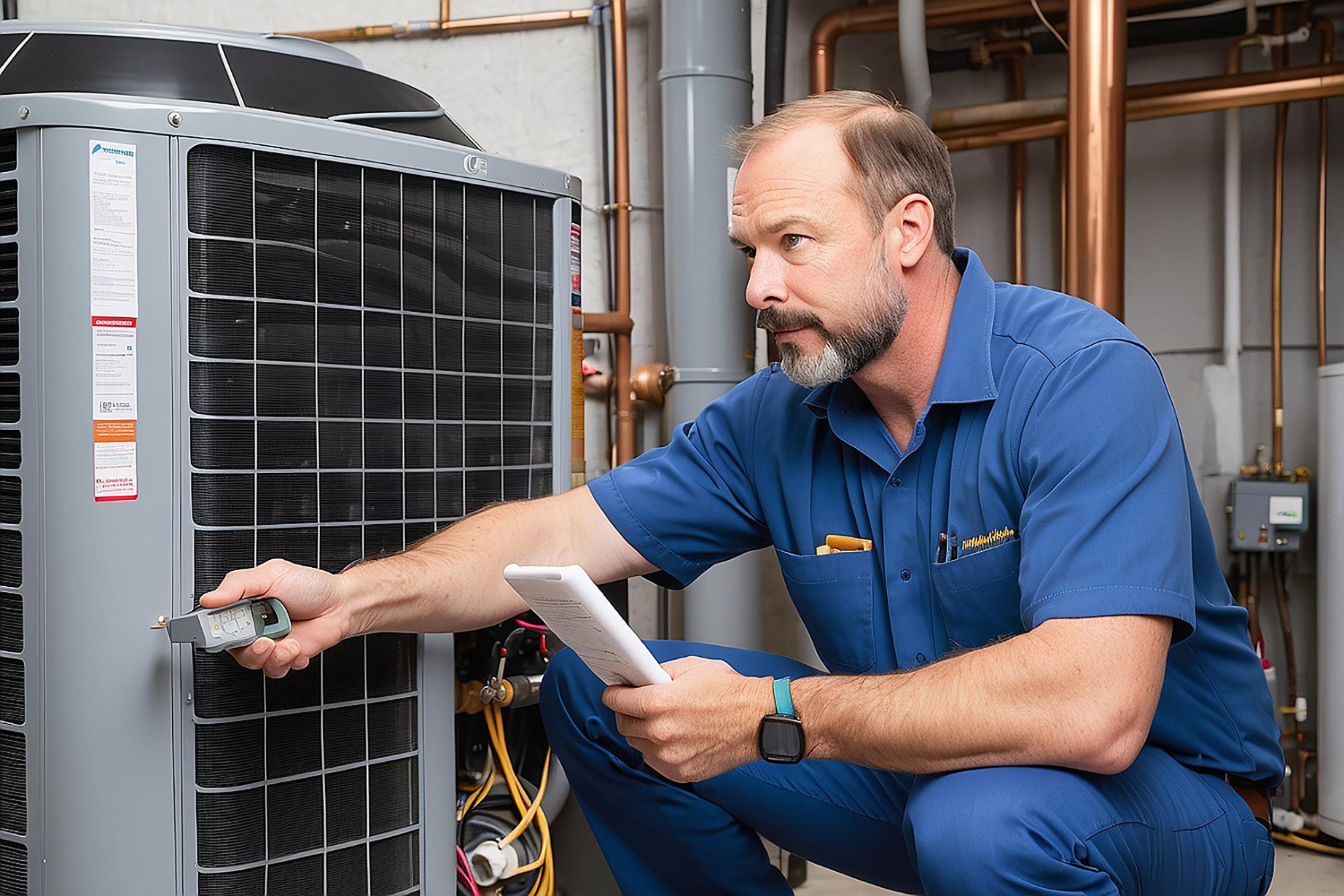
When installing an HVAC system, several common mistakes can lead to inefficiencies and costly repairs down the line. These include improper sizing of the unit, inadequate ductwork design, and neglecting to account for local climate conditions, which can all impact the system's overall performance and lifespan.
For example, an oversized unit may cool a space too quickly without adequately dehumidifying the air, leading to discomfort and higher energy costs. By being aware of these pitfalls, homeowners can work closely with HVAC professionals to ensure a successful installation that meets their specific needs and enhances system longevity.
Energy-Saving Tips for HVAC Systems
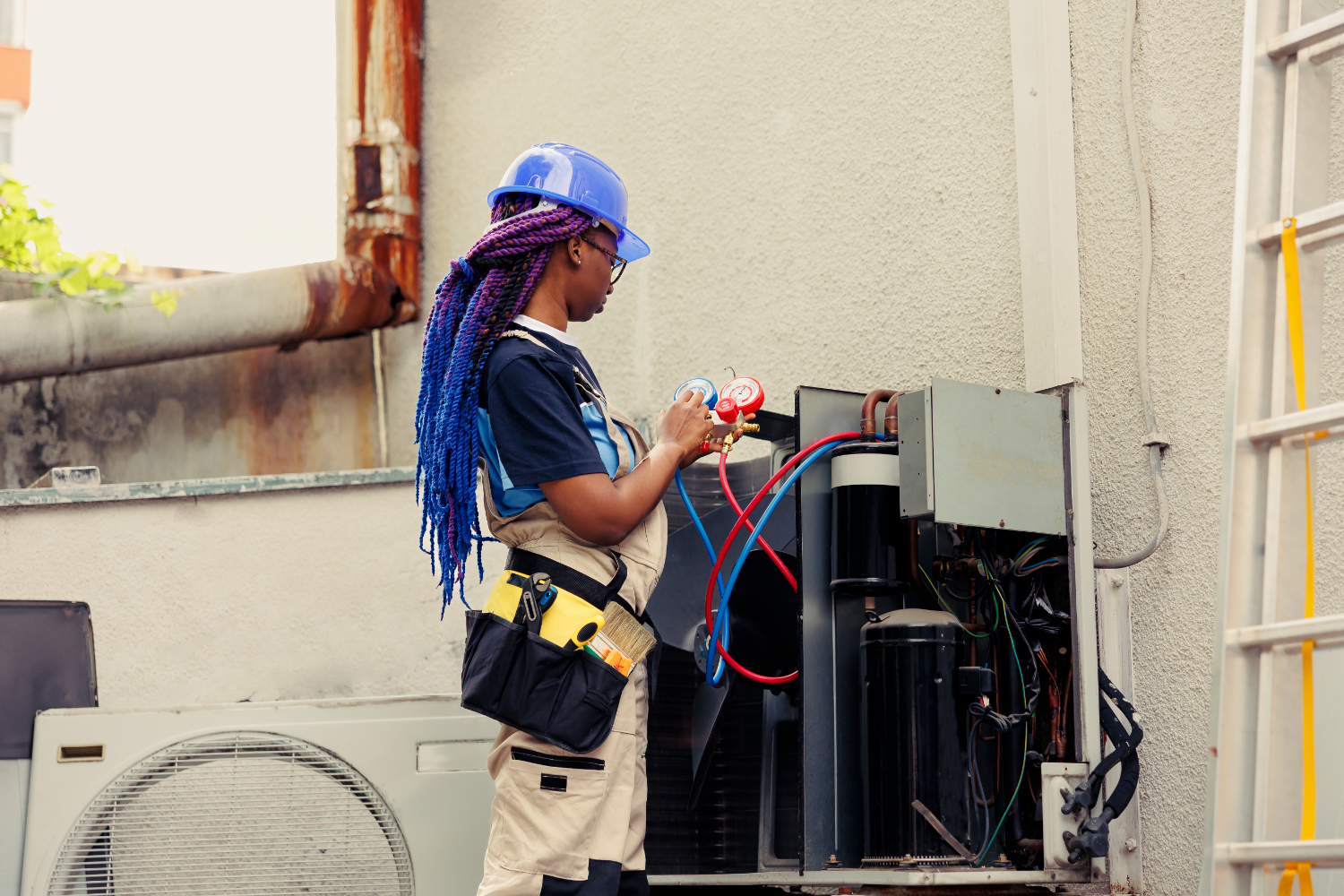
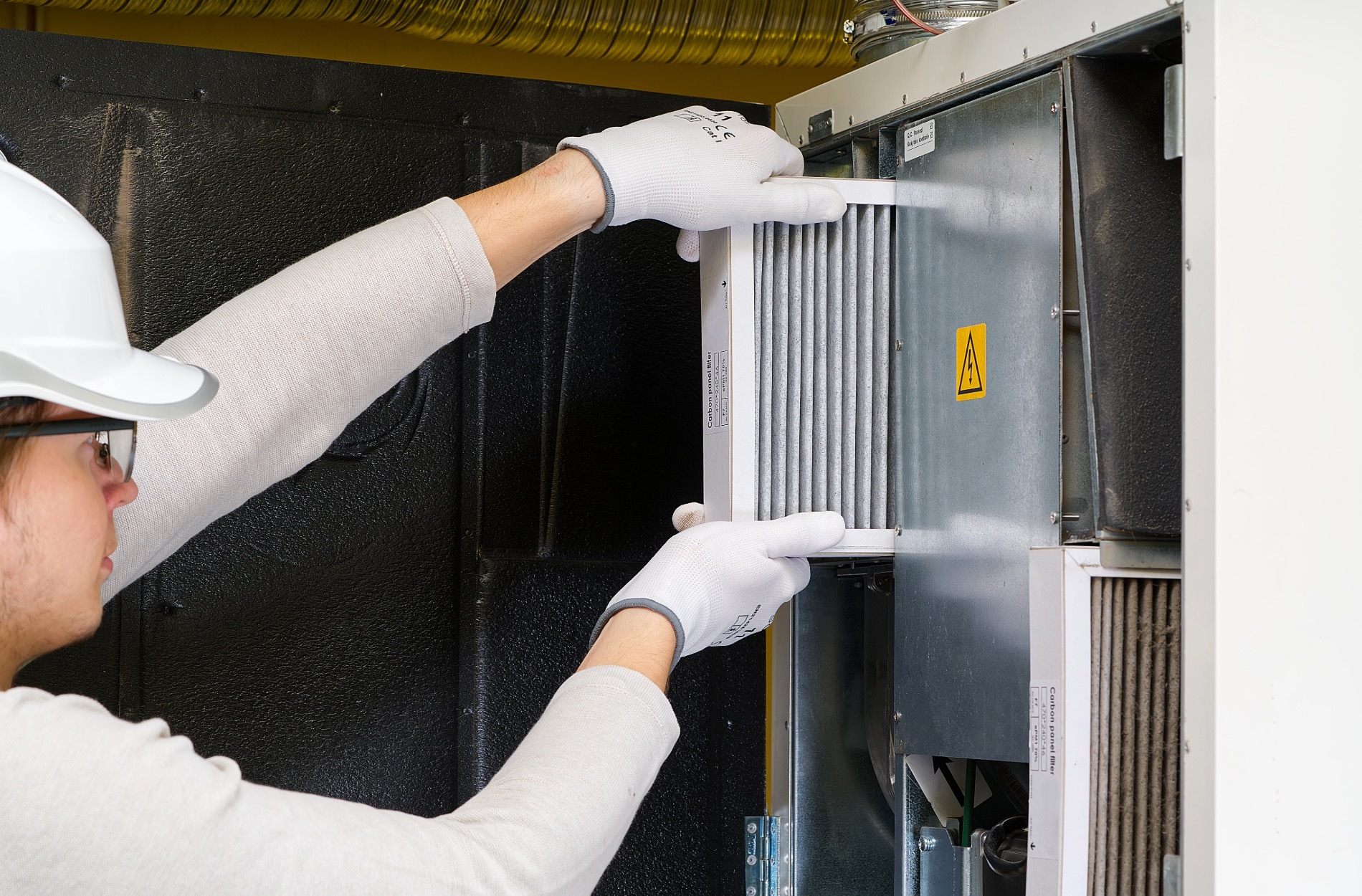
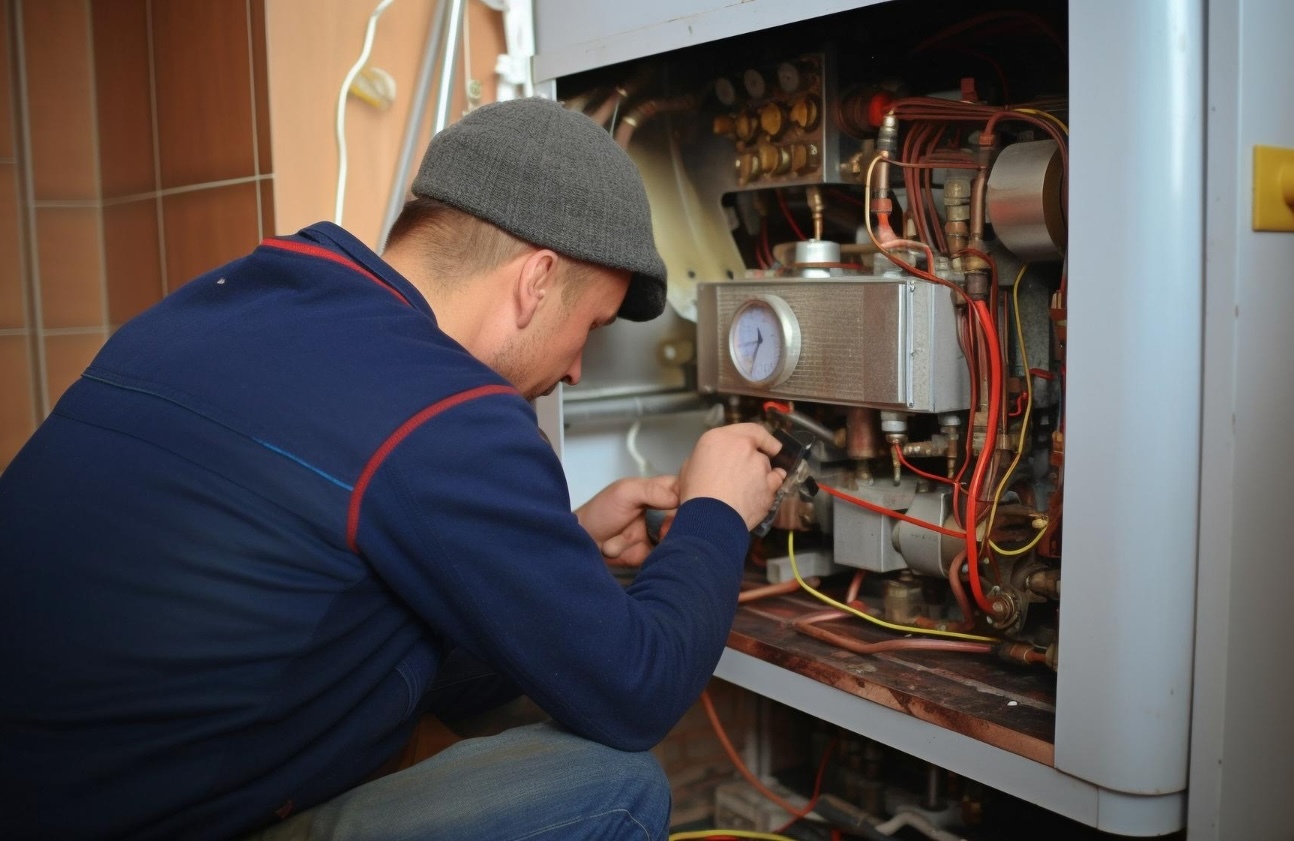
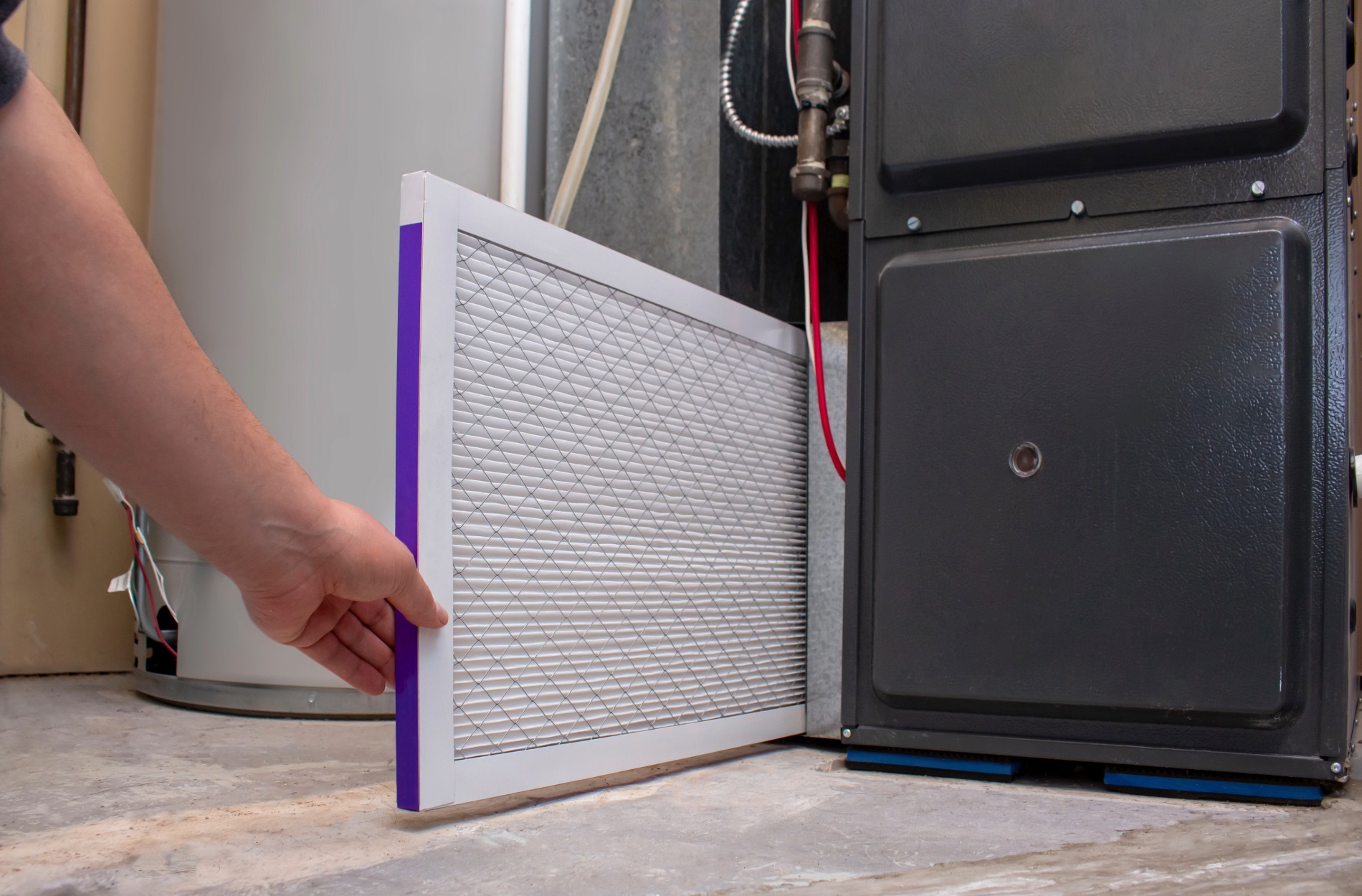
Implementing energy-saving tips for HVAC systems can significantly reduce energy bills and extend the life of the equipment. Simple actions such as regularly changing air filters, sealing duct leaks, and scheduling annual maintenance can improve system efficiency and performance.
Additionally, homeowners can consider using programmable thermostats to optimize temperature settings according to their schedules. For instance, setting the thermostat a few degrees higher during the summer when no one is home can lead to substantial energy savings without sacrificing comfort.
The Importance of Indoor Air Quality in HVAC Systems
Indoor air quality (IAQ) is a crucial aspect of HVAC systems that often gets overlooked. Poor IAQ can lead to health issues such as allergies, asthma, and other respiratory problems, making it essential for homeowners to ensure their HVAC systems include adequate air filtration and ventilation.
For example, using high-efficiency particulate air (HEPA) filters can significantly reduce airborne pollutants, while regular maintenance of HVAC systems helps to prevent mold growth and other contaminants. By prioritizing IAQ, homeowners can create a healthier living environment while also improving the efficiency of their HVAC systems.
Understanding HVAC System Efficiency Ratings
HVAC system efficiency ratings are critical for homeowners looking to optimize their energy consumption and reduce utility bills. These ratings, often represented by SEER (Seasonal Energy Efficiency Ratio) for cooling systems and AFUE (Annual Fuel Utilization Efficiency) for heating systems, provide a clear indication of how effectively a system converts energy into heating or cooling output.
For instance, a higher SEER rating indicates a more efficient air conditioning unit, which can lead to significant savings over time. Understanding these ratings helps homeowners make informed decisions when purchasing new HVAC systems or upgrading existing ones, ensuring they choose units that align with their energy efficiency goals.
Common HVAC Installation Mistakes to Avoid
When installing an HVAC system, several common mistakes can lead to inefficiencies and costly repairs down the line. These include improper sizing of the unit, inadequate ductwork design, and neglecting to account for local climate conditions, which can all impact the system's overall performance and lifespan.
For example, an oversized unit may cool a space too quickly without adequately dehumidifying the air, leading to discomfort and higher energy costs. By being aware of these pitfalls, homeowners can work closely with HVAC professionals to ensure a successful installation that meets their specific needs and enhances system longevity.
Energy-Saving Tips for HVAC Systems
Implementing energy-saving tips for HVAC systems can significantly reduce energy bills and extend the life of the equipment. Simple actions such as regularly changing air filters, sealing duct leaks, and scheduling annual maintenance can improve system efficiency and performance.
Additionally, homeowners can consider using programmable thermostats to optimize temperature settings according to their schedules. For instance, setting the thermostat a few degrees higher during the summer when no one is home can lead to substantial energy savings without sacrificing comfort.
The Importance of Indoor Air Quality in HVAC Systems
Indoor air quality (IAQ) is a crucial aspect of HVAC systems that often gets overlooked. Poor IAQ can lead to health issues such as allergies, asthma, and other respiratory problems, making it essential for homeowners to ensure their HVAC systems include adequate air filtration and ventilation.
For example, using high-efficiency particulate air (HEPA) filters can significantly reduce airborne pollutants, while regular maintenance of HVAC systems helps to prevent mold growth and other contaminants. By prioritizing IAQ, homeowners can create a healthier living environment while also improving the efficiency of their HVAC systems.