Essential HVAC Maintenance Tips for Homeowners
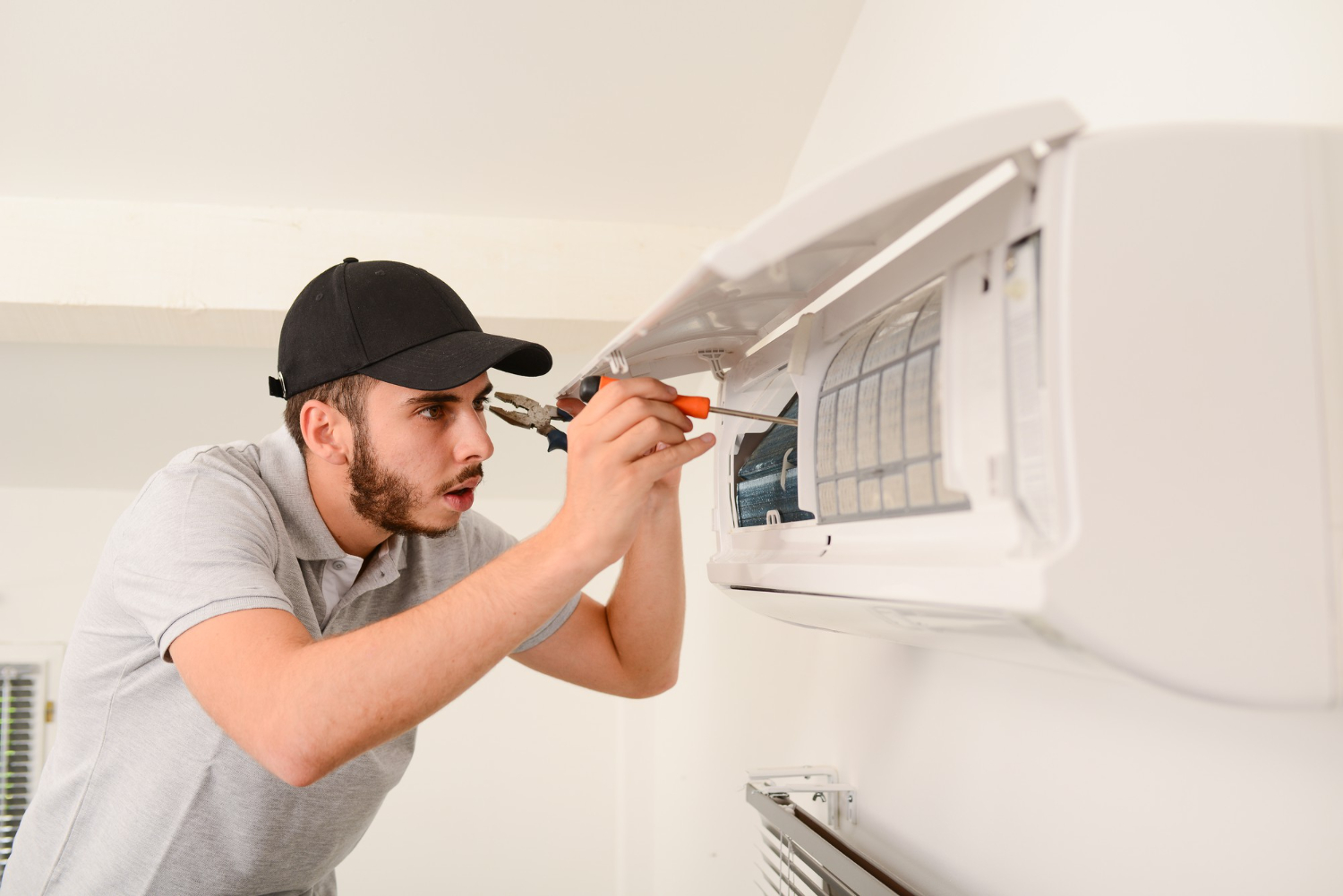
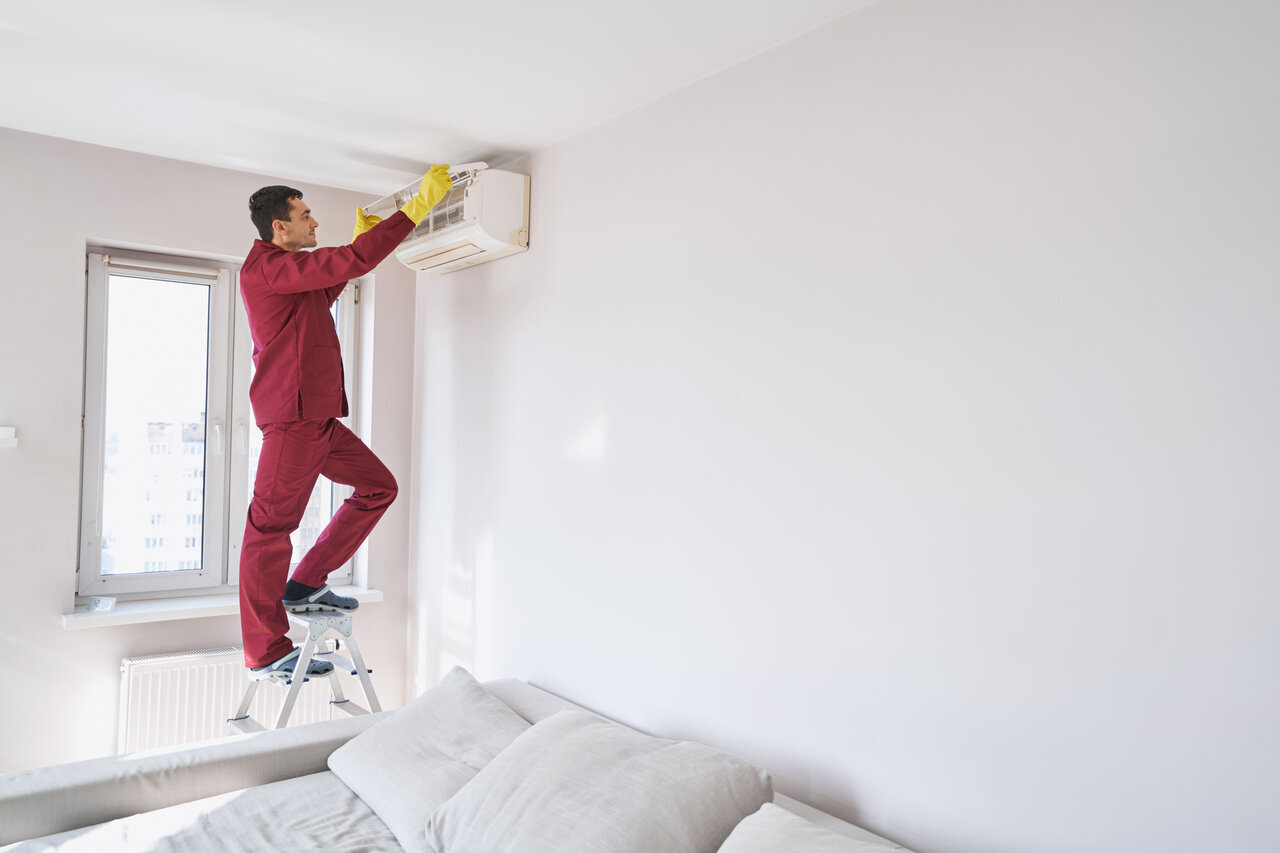
Regular maintenance is crucial for extending the lifespan and efficiency of your HVAC system. Homeowners should schedule routine inspections and cleanings to prevent common issues that can lead to costly repairs.
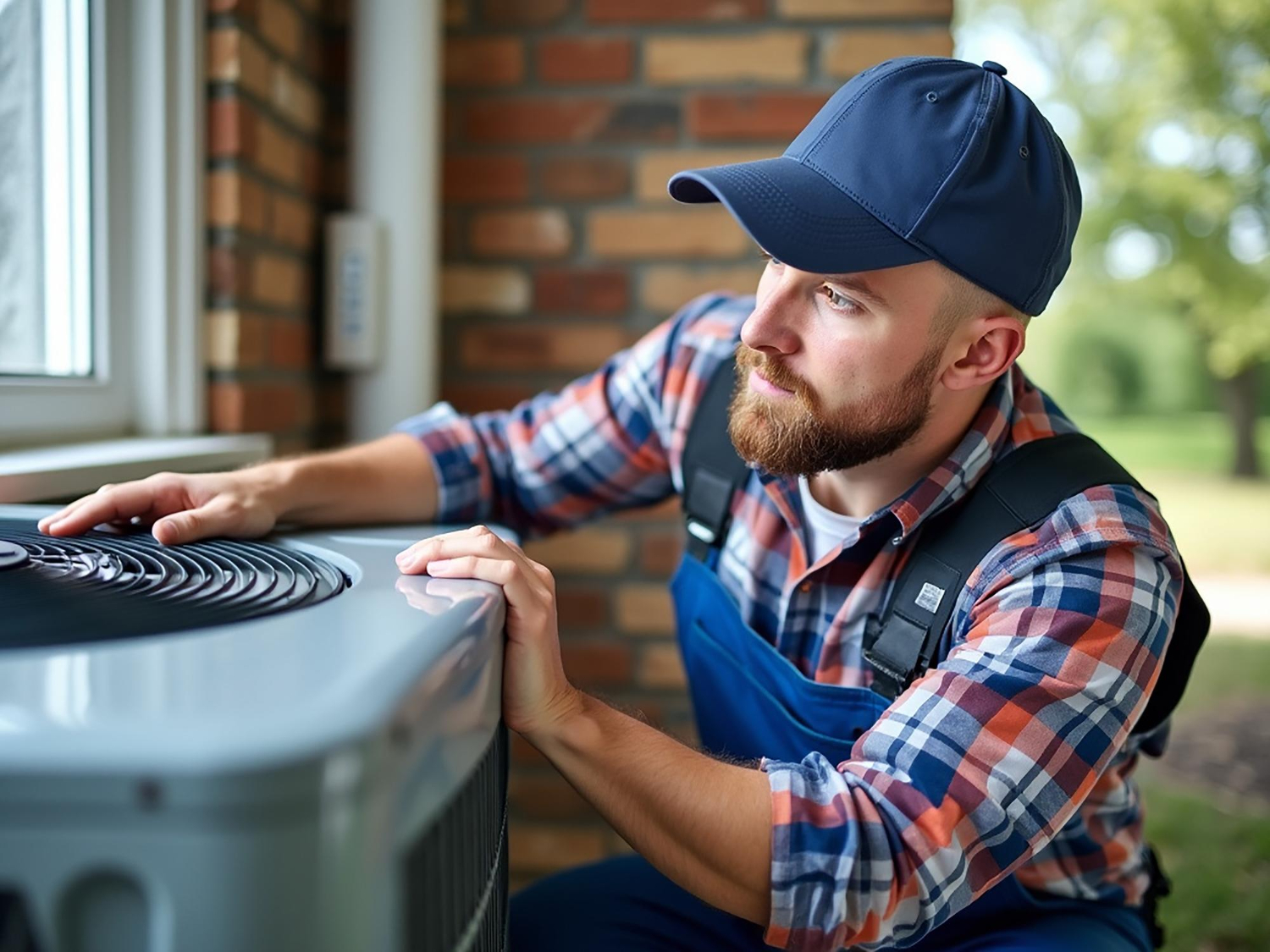
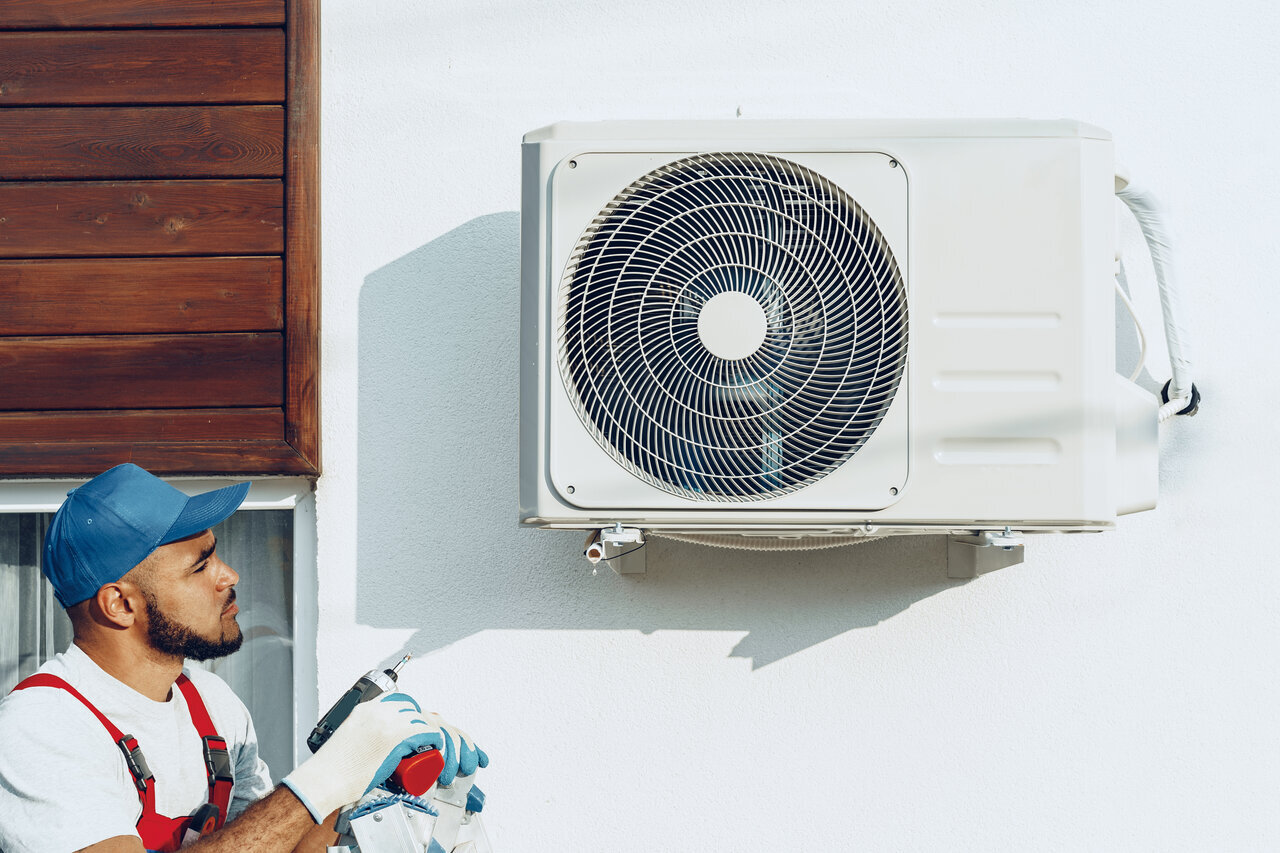
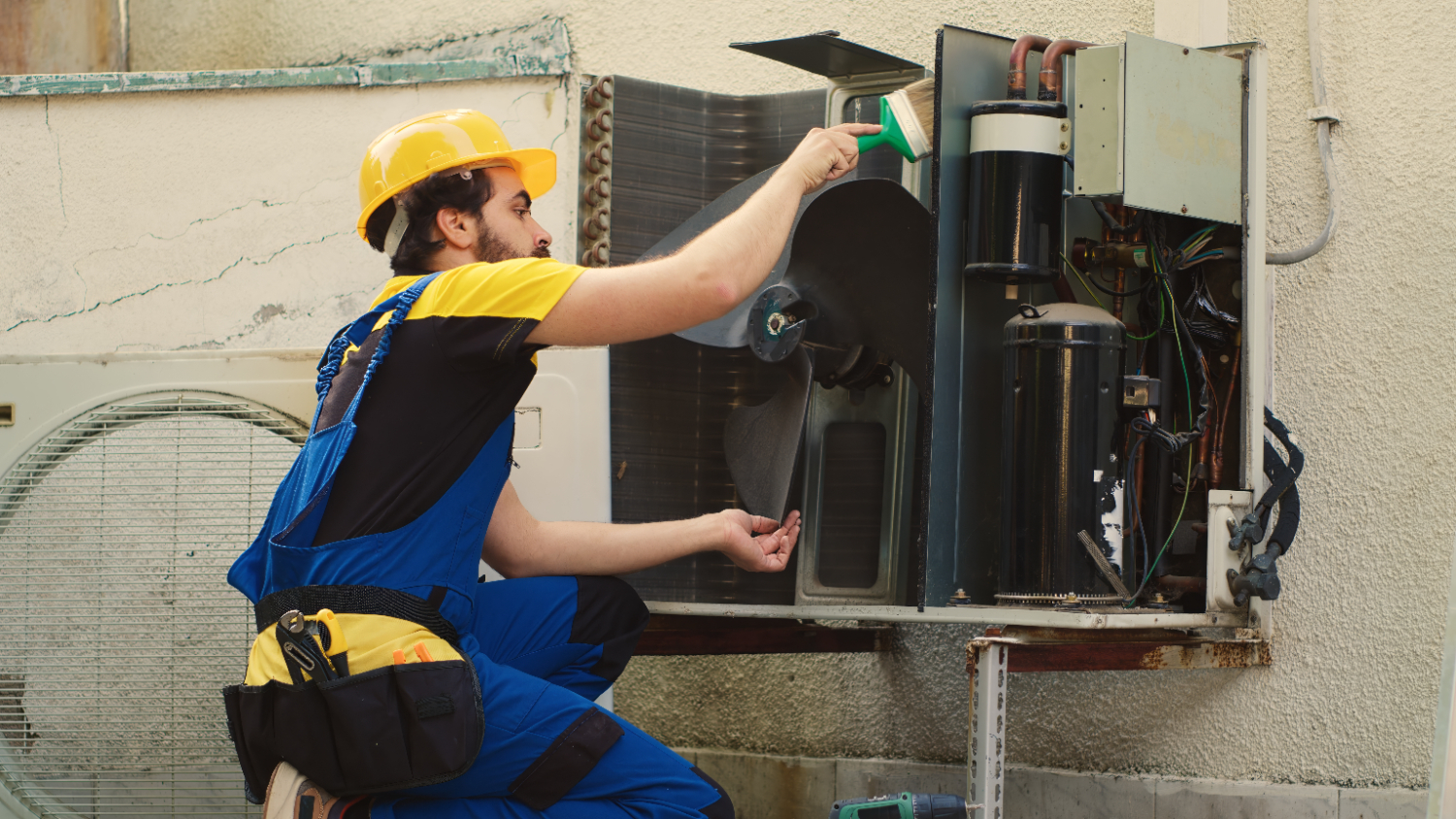
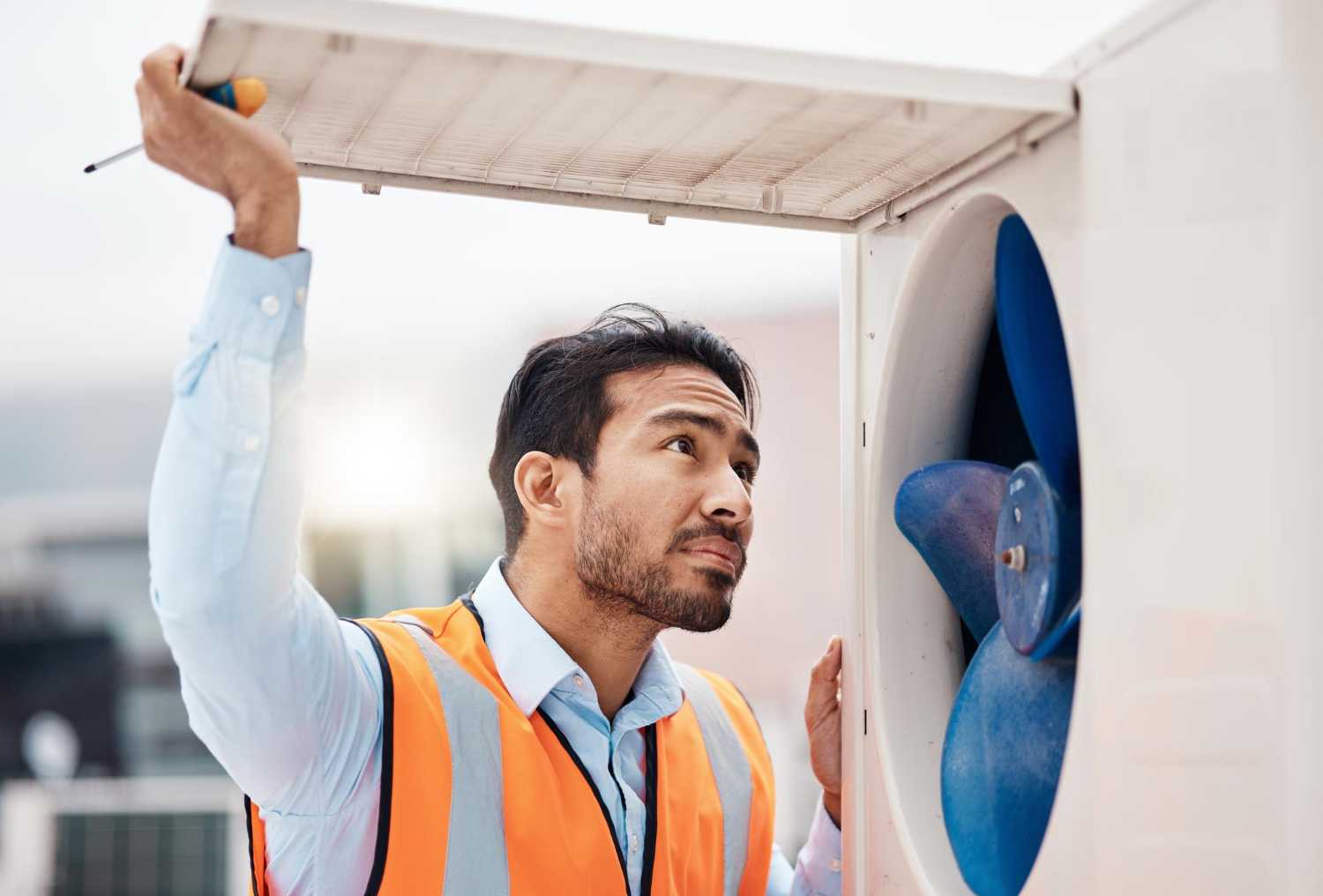
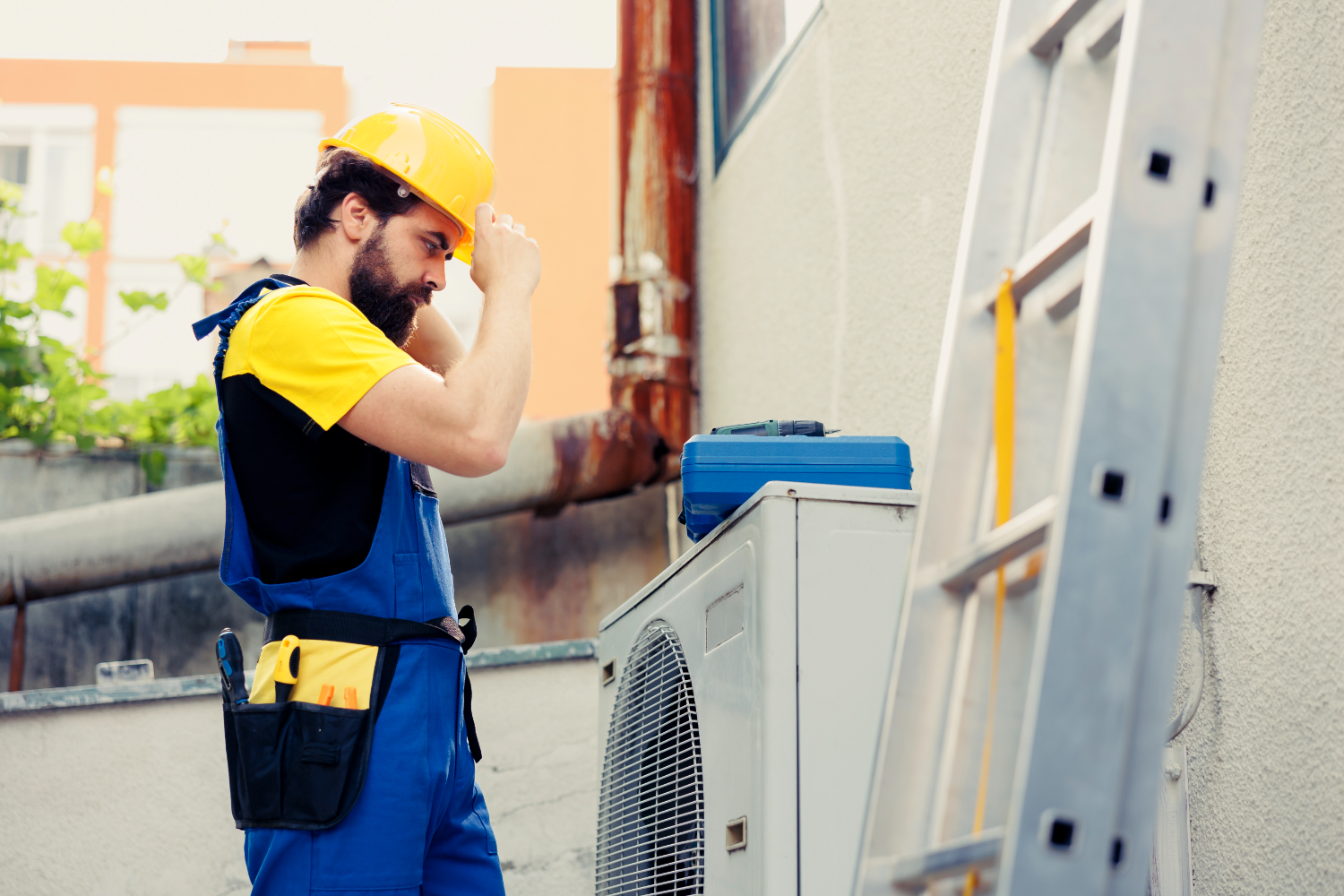
For example, changing air filters every one to three months can significantly improve air quality and system performance. Additionally, checking and cleaning the outdoor unit can help maintain optimal airflow and efficiency, ensuring your HVAC system operates effectively throughout the year.
Energy Efficiency and HVAC Systems
Energy efficiency is a vital consideration when selecting and maintaining HVAC systems. Homeowners can benefit from understanding how energy-efficient models can lead to lower utility bills and a reduced environmental impact.
For instance, upgrading to a high-efficiency furnace or air conditioner can save up to 30% on energy costs compared to older models. Moreover, utilizing programmable thermostats can further enhance energy savings by allowing homeowners to set temperatures according to their schedules.
Understanding Different Types of HVAC Systems
There are various types of HVAC systems available, each designed to meet specific heating and cooling needs. Understanding the differences can help homeowners make informed decisions when selecting a system for their property.
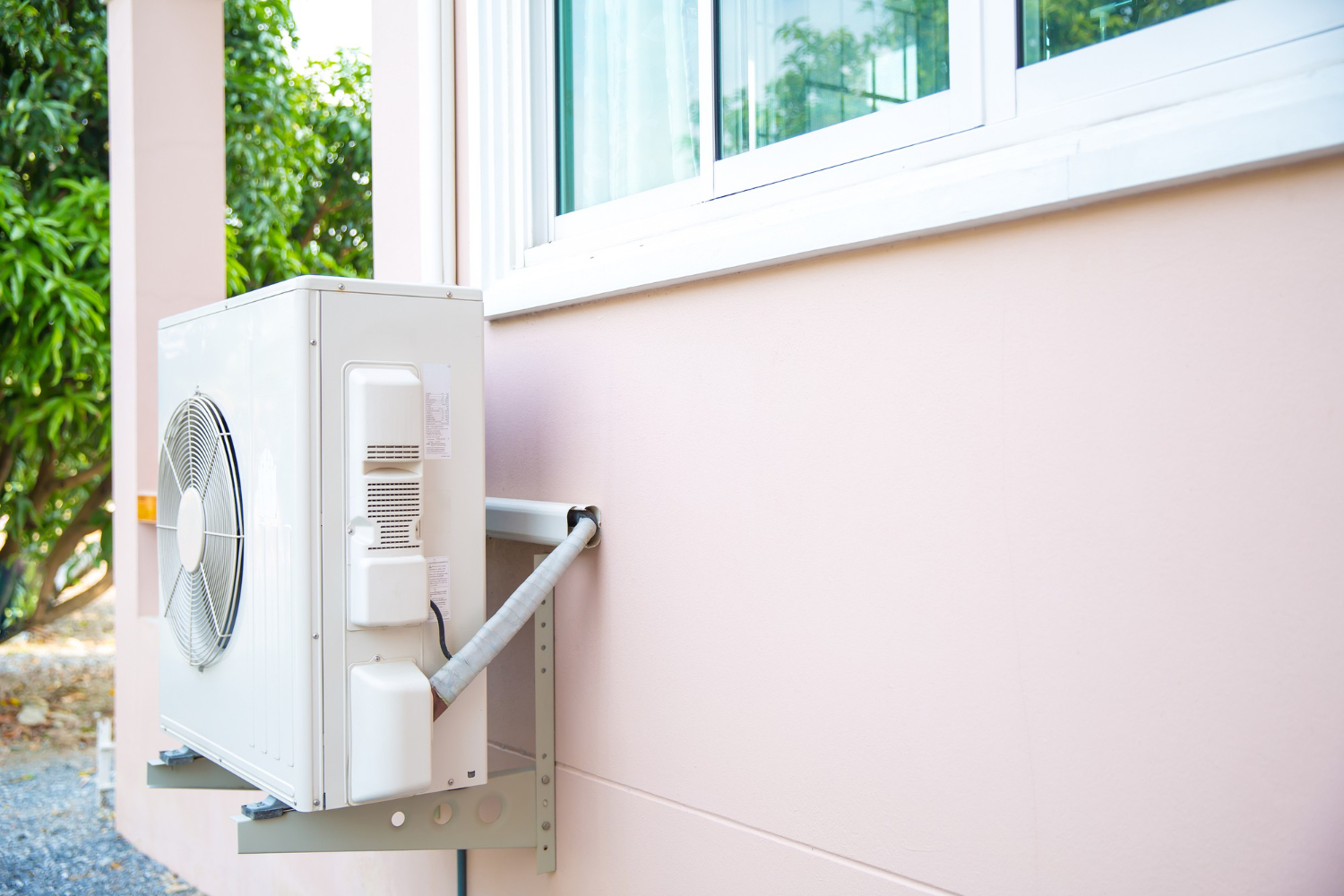
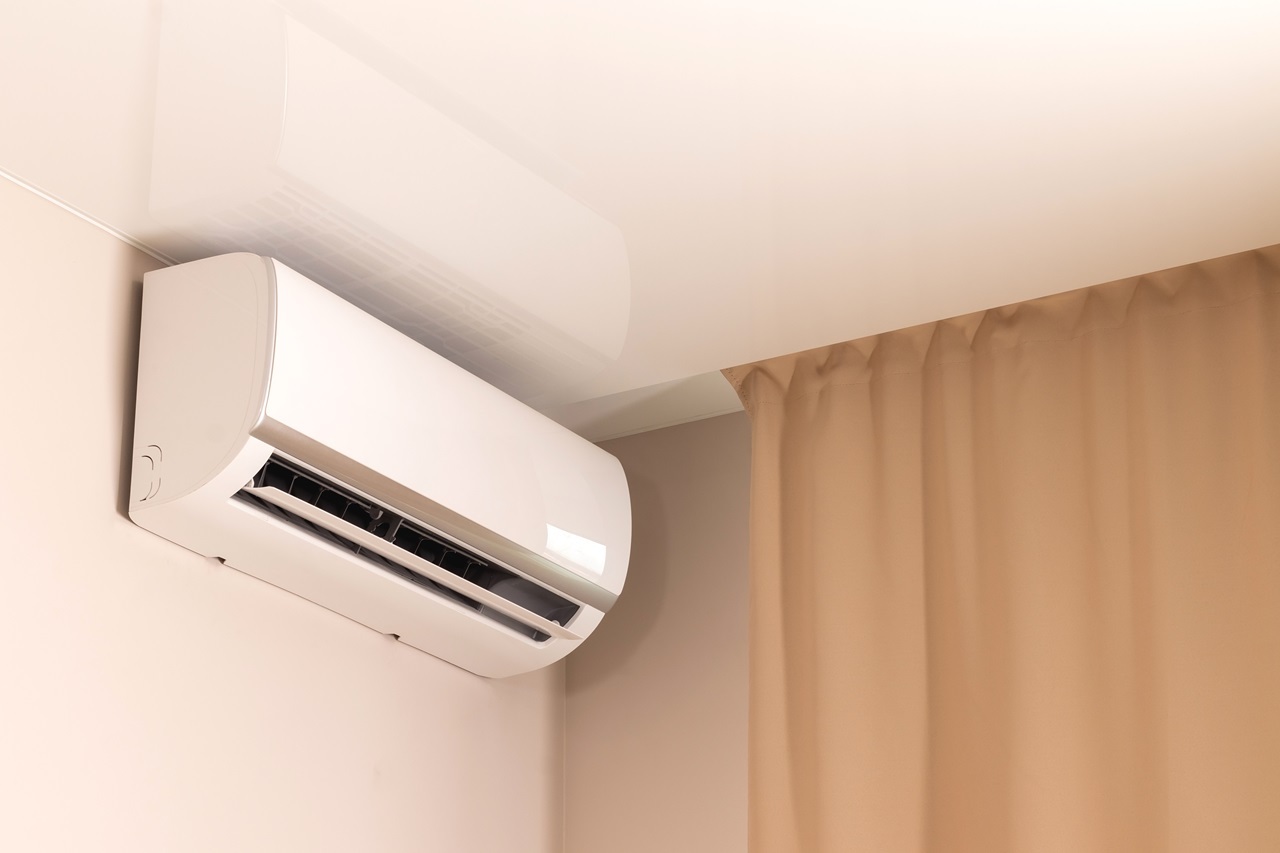
For example, central air conditioning systems are ideal for larger homes, while ductless mini-split systems provide flexibility and efficiency for smaller spaces. Knowing the pros and cons of each type can assist homeowners in choosing the best option for their comfort and budget.
Signs Your HVAC System Needs Replacement
Recognizing the signs that your HVAC system may need replacement is crucial for maintaining home comfort. Common indicators include inconsistent temperatures, unusual noises, and rising energy bills.
If your system is over 15 years old and requires frequent repairs, it may be more cost-effective to invest in a new unit. Additionally, advancements in technology have led to more efficient models that can enhance comfort and reduce energy consumption.
Essential HVAC Maintenance Tips for Homeowners
Regular maintenance is crucial for extending the lifespan and efficiency of your HVAC system. Homeowners should schedule routine inspections and cleanings to prevent common issues that can lead to costly repairs.
For example, changing air filters every one to three months can significantly improve air quality and system performance. Additionally, checking and cleaning the outdoor unit can help maintain optimal airflow and efficiency, ensuring your HVAC system operates effectively throughout the year.
Energy Efficiency and HVAC Systems
Energy efficiency is a vital consideration when selecting and maintaining HVAC systems. Homeowners can benefit from understanding how energy-efficient models can lead to lower utility bills and a reduced environmental impact.
For instance, upgrading to a high-efficiency furnace or air conditioner can save up to 30% on energy costs compared to older models. Moreover, utilizing programmable thermostats can further enhance energy savings by allowing homeowners to set temperatures according to their schedules.
Understanding Different Types of HVAC Systems
There are various types of HVAC systems available, each designed to meet specific heating and cooling needs. Understanding the differences can help homeowners make informed decisions when selecting a system for their property.
For example, central air conditioning systems are ideal for larger homes, while ductless mini-split systems provide flexibility and efficiency for smaller spaces. Knowing the pros and cons of each type can assist homeowners in choosing the best option for their comfort and budget.
Signs Your HVAC System Needs Replacement
Recognizing the signs that your HVAC system may need replacement is crucial for maintaining home comfort. Common indicators include inconsistent temperatures, unusual noises, and rising energy bills.
If your system is over 15 years old and requires frequent repairs, it may be more cost-effective to invest in a new unit. Additionally, advancements in technology have led to more efficient models that can enhance comfort and reduce energy consumption.