Smart Energy Savings for Your HVAC System
Keeping your heating and cooling running efficiently can slash your yearly energy expenses by up to 30 percent, making smart HVAC energy saving practices a must for homeowners and small business owners alike. With utility rates climbing in Winston-Salem and Mocksville, it’s more important than ever to find strategies that balance comfort and cost. This guide is packed with practical tips across six key areas:
- Regular Maintenance – how tune-ups, filter changes, and coil cleanings keep your system running smoothly
- Energy-Efficient Upgrades – choosing the right heat pumps, ENERGY STAR equipment, and knowing when it’s time for a replacement
- Smart Thermostats – mastering programming, integration, and monitoring your usage
- Home Weatherization – sealing ducts, boosting insulation, and finding air leaks
- Managing Energy Bills – spotting inefficiencies, making seasonal tweaks, and finding incentive programs
- DIY Tips & Pro Help – simple checks you can do yourself, filter swaps, and when to call Blown Away HVAC for expert service
By combining proactive maintenance, smart upgrades, and homeowner-friendly controls, you’ll boost your system’s efficiency, extend its lifespan, and put an end to nagging HVAC energy efficiency worries. Blown Away HVAC is committed to an honest, educational approach, backing every recommendation with valuable information and easy ways to schedule professional help.
How Does Regular HVAC Maintenance Boost Energy Efficiency?
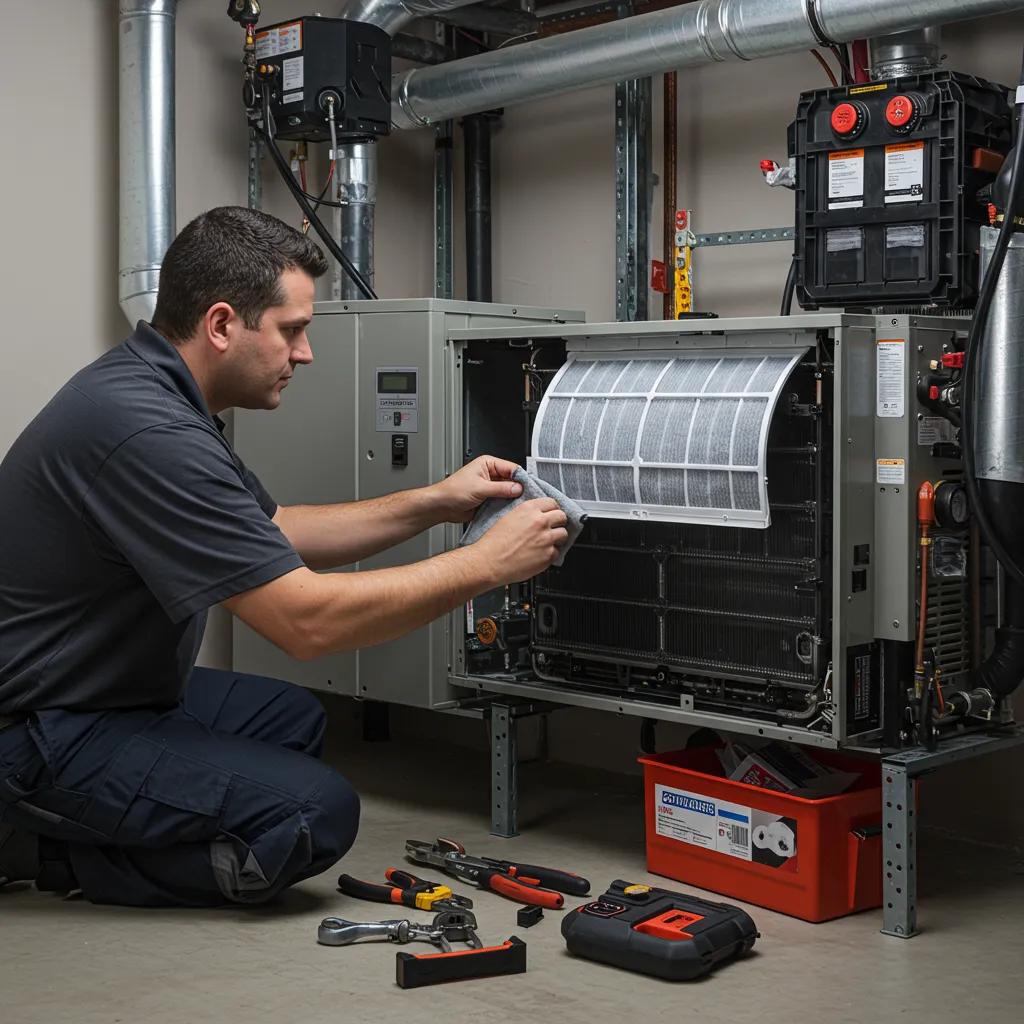
Regular HVAC maintenance ensures all parts work together smoothly, maintaining proper airflow and refrigerant balance so your system operates at peak performance with less energy. For instance, swapping out a dirty filter can restore airflow to factory settings, preventing your compressor from working overtime. Keeping your system clean and calibrated not only reduces wear and tear but also cuts down on energy use for heating and cooling.
Here are the key maintenance tasks that make a big difference in efficiency:
- Swap or clean your air filters every 1–3 months to keep airflow unrestricted and maintain proper static pressure.
- Have your refrigerant charge levels checked and adjusted to ensure peak cooling performance and prevent compressor strain.
- Get blower assemblies and evaporator coils cleaned to maximize heat exchange and avoid ice buildup.
- Lubricate motors and bearings to minimize friction and reduce electrical draw.
- Verify your thermostat is calibrated correctly to match actual temperatures with your settings and reduce unnecessary runtime.
By keeping up with these tasks, you’ll help your equipment run at its best, avoid costly breakdowns, and prepare it for any specialized servicing or professional inspections it might need.
What Are the Perks of Annual HVAC Tune-Ups?
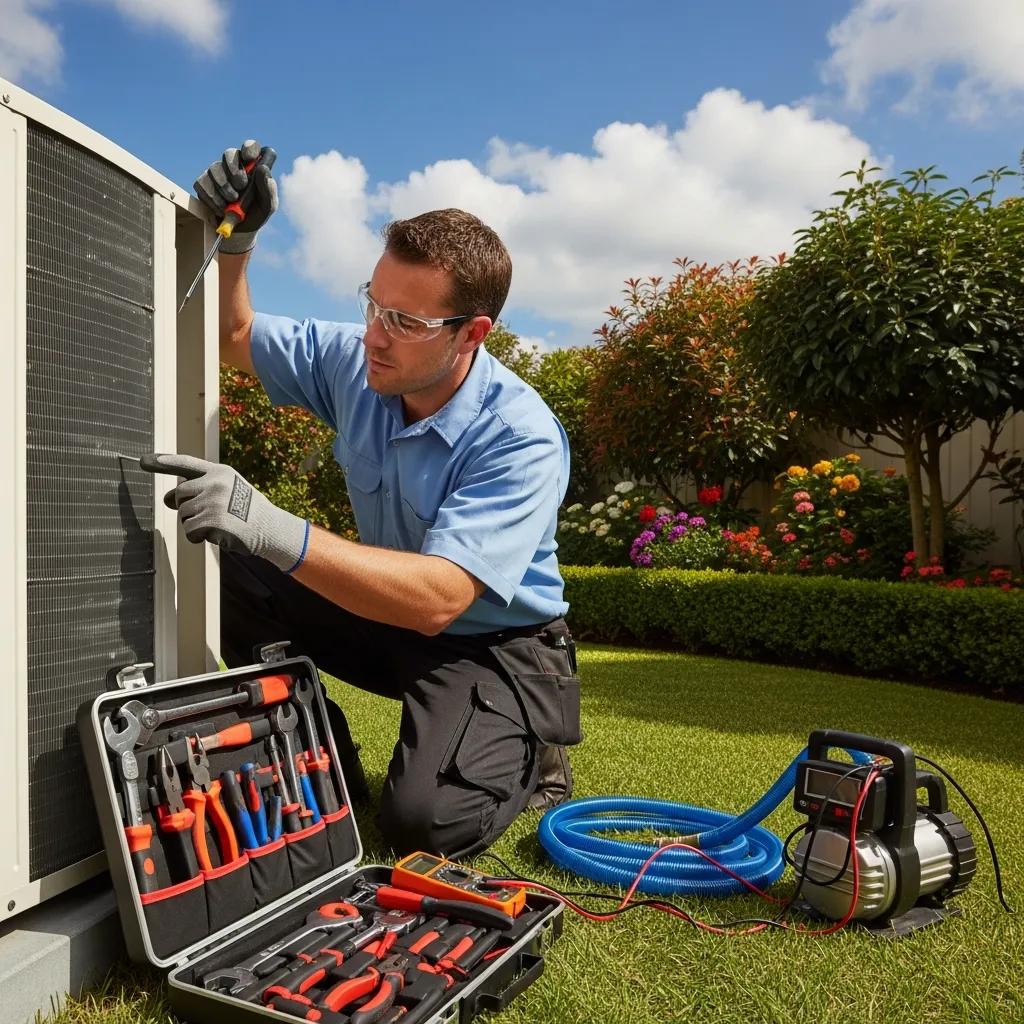
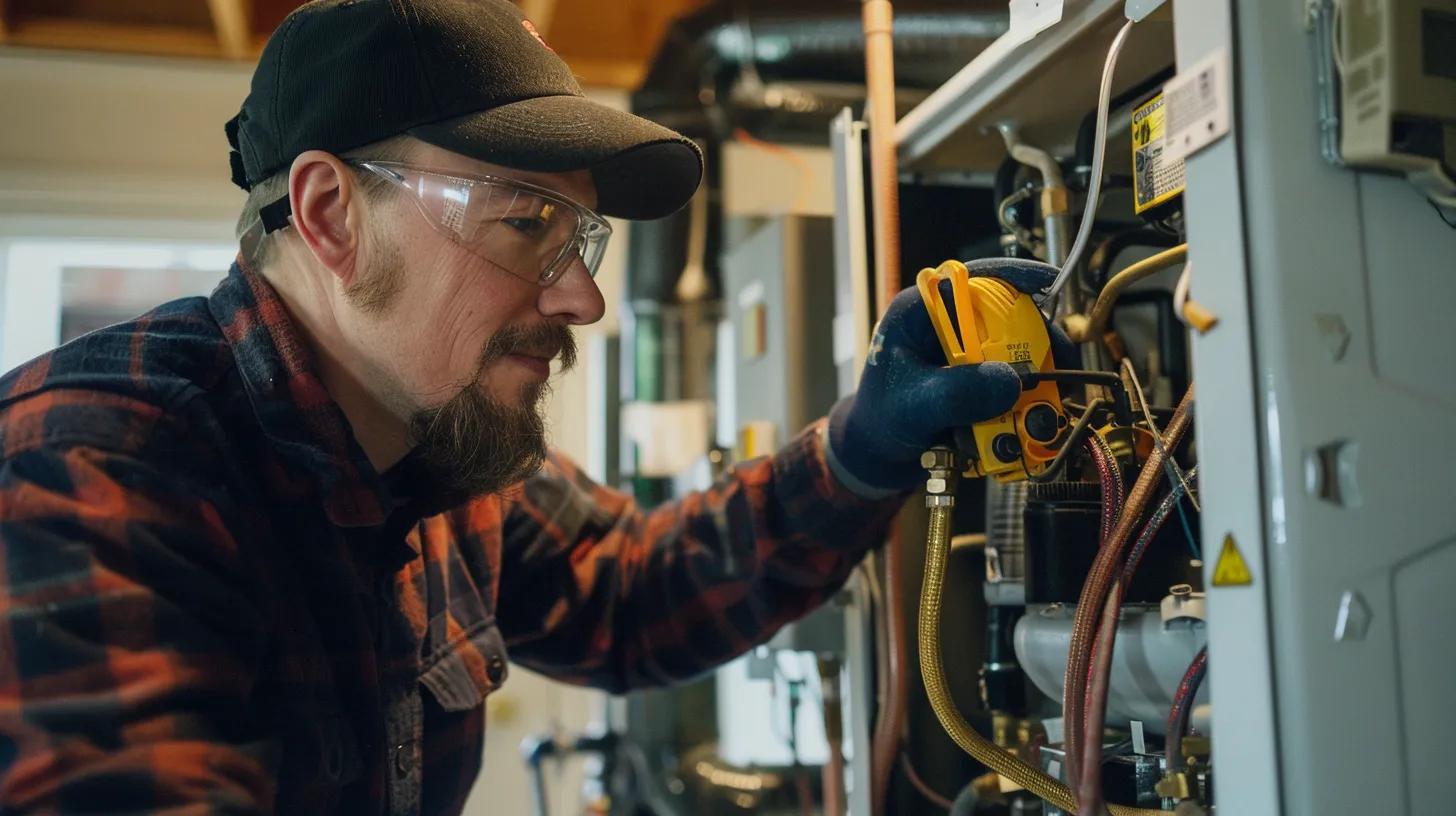
Annual HVAC tune-ups consistently improve performance by fine-tuning controls, cleaning vital components, and confirming safe operation. This directly lowers energy consumption and extends your equipment’s lifespan. During a tune-up, our technicians check heat exchangers, test safety switches, tighten electrical connections, and adjust burner settings, ensuring reliable heating and cooling. Regular tune-ups can prevent up to 25 percent of efficiency losses and help you keep saving on utility bills.
Studies show that HVAC tune-ups can significantly cut energy use and prevent efficiency drops.
Energy Savings Achieved Through HVAC System Efficiency Improvements and Tune-Ups
This study reports on the energy savings attainable through the HVAC SAVE procedures. Three of the ten HVAC equipment and system efficiency tune-up procedures were evaluated. Table 5 presents the change in energy consumption for each of the three tune-ups, calculated as the post-tune-up value minus the pre-tune-up value. Energy savings from system efficiency improvements in Iowa’s HVAC save program, J Baker, 2013
How Often Should You Swap Air Filters for Peak Efficiency?
Replacing your air filters every 30 to 90 days keeps airflow optimal and prevents pressure drops that make your blower motor work harder. Homes with pets or lots of dust might need monthly changes, while less-used spaces can go up to three months. Regularly changing filters helps maintain your ductwork’s integrity, reduces airborne particles, and keeps airflow at its designed rate.
The condition of your air filters directly impacts your HVAC system’s performance and how much energy it uses.
The Influence of Air Filter Pressure Drop on HVAC System Performance and Energy Consumption
Air filters are integral components in heating, ventilation, and air-conditioning (HVAC) systems for both commercial and residential buildings, serving to protect equipment and enhance indoor air quality within conditioned spaces. While air filtration offers numerous advantages, the associated pressure drop can escalate fan energy consumption and potentially degrade the performance and efficiency of the HVAC system. This paper investigates the ramifications of air filtration on energy consumption within a representative air-conditioning (AC) system employing either constant-speed or variable-speed fans. A comprehensive building simulation model is utilized to assess annual energy consumption across a range of AC system capacities, varying filter cleanliness levels, and diverse Minimum Efficiency Reporting Value (MERV) ratings. The findings reveal that with a constant-speed fan, cooling energy demand rises as the filter accumulates dirt over time, and fan energy use may increase, contingent upon the specific fan performance curve under consideration. For systems with variable-speed fans, fan energy consumption increases with a dirty filter, while cooling and heating energy demands are only marginally affected. The increase in fan energy consumption attributable to a dirty filter is primarily dictated by air system capacities, filter MERV ratings, and the extent of filter fouling. The impact of air filter pressure drop on the performance of typical air-conditioning systems, N Nassif, 2012
Why Is Cleaning Your Coils Key to Saving Energy?
Cleaning your coils removes built-up grime on the evaporator and condenser coils, restoring their ability to transfer heat effectively and potentially cutting your compressor’s runtime by up to 15 percent. Dirty coils hinder the refrigerant’s evaporation and condensation process, leading to temperature imbalances that put extra strain on the compressor. Professional coil cleaning ensures your system operates at peak energy efficiency and helps prevent mold growth.
When Should You Call a Pro for HVAC Maintenance?
You should call a professional when your system shows signs like strange noises, ice on the coils, uneven temperatures, or rising energy bills. These issues often point to deeper mechanical or refrigerant problems that require expert diagnosis. Blown Away HVAC technicians provide honest service without pushing unnecessary extras, offering clear recommendations for maintenance, repairs, and performance tune-ups.
What Are the Top Energy-Efficient HVAC Upgrades to Consider?
Upgrading to energy-efficient HVAC equipment means replacing older components with high-performance units that can cut energy use by 20 to 50 percent thanks to advanced designs and better efficiency ratings. These upgrades use superior heat exchange technology, variable-speed compressors, and smarter control systems to directly reduce electricity consumption while improving comfort. For example, switching to a variable-speed heat pump with a high HSPF rating eliminates the energy waste from frequent start-stop cycles and maintains more consistent indoor temperatures.
Think about these leading upgrade options:
- Heat Pump Systems – these units use a reversible refrigeration cycle to both heat and cool your home with a single system.
- ENERGY STAR Air Conditioners – units with SEER ratings above 15 are certified to deliver noticeable energy savings.
- Dual-Fuel Furnaces – these combine gas heating with electric heat pumps, offering efficient heating tailored to your climate.
- Mini-Split Ductless Units – perfect for zoned comfort, these reduce energy loss associated with traditional ductwork in specific areas.
| Upgrade Option | Key Performance Metric | Efficiency Benefit |
|---|---|---|
| Heat Pump | HSPF 10–12+ | Up to 40 percent energy saved |
| ENERGY STAR Air Conditioner | SEER 16+ | 20–30 percent lower bills |
| Dual-Fuel Furnace | AFUE 95 percent | Optimal heating fuel use |
Choosing an upgrade that fits your local climate in Winston-Salem and Mocksville will maximize your energy savings and ensure your equipment lasts longer. This also ties into thinking about when to replace your system and ensuring it’s the right size.
Modern advancements in heat pump maintenance technology have significantly boosted their energy efficiency.
Advancements in Heat Pump Systems for Enhanced Energy Efficiency
Significant progress in heat pump systems has led to substantial improvements in their energy efficiency. For instance, the integration of a heat-driven ejector into heat pump systems has resulted in an efficiency enhancement exceeding 20%. Advances in heat pump systems: A review, KJ Chua, 2010
How Do Heat Pumps Save Energy Compared to Traditional Systems?
Heat pumps work by transferring existing heat from the outside air into your home, rather than generating heat from scratch. This process uses significantly less electricity, allowing them to deliver three to four times more heating output for every unit of power consumed compared to electric resistance heaters or traditional furnaces.
What Is the Importance of SEER and HSPF Ratings in HVAC Equipment?
SEER (Seasonal Energy Efficiency Ratio) and HSPF (Heating Seasonal Performance Factor) are crucial ratings that tell you how efficiently your HVAC equipment cools and heats, respectively. Higher SEER and HSPF numbers mean your system uses less energy, leading to lower operating costs throughout the year.
How Do ENERGY STAR Certified HVAC Units Reduce Energy Consumption?
ENERGY STAR certified HVAC units are designed and built to meet strict performance and reliability standards set by the EPA. This certification guarantees that the equipment is more energy-efficient than standard models, leading to verified energy savings and often making you eligible for rebates and incentives.
When Is It Time to Replace Your HVAC System for Better Efficiency?
It’s time to consider replacing your HVAC system when you notice frequent repairs, its efficiency ratings are well below current standards, or when the cost of a new, high-efficiency system can be recouped through energy savings within seven years.
How Can Smart Thermostats Maximize HVAC Energy Savings?
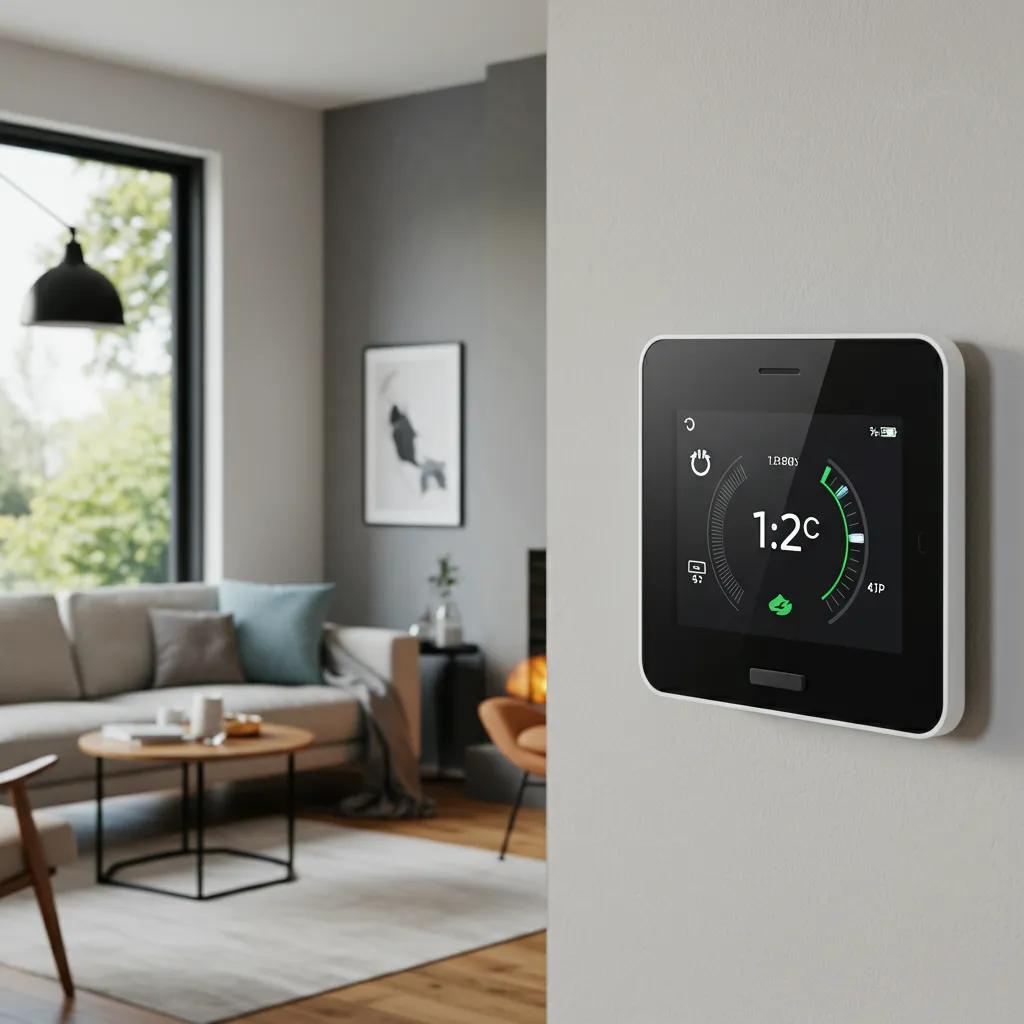
Smart thermostats are game-changers for HVAC energy efficiency, learning your habits, automating temperature adjustments, and adapting to when you’re home or away. This can lead to savings of up to 15 percent on heating and cooling costs. These devices use sensor data, smart algorithms, and remote access to optimize your system’s operation without you needing to constantly adjust settings. For example, a learning thermostat can pre-cool your home during off-peak electricity hours, helping you avoid higher charges during peak demand in the summer.
Here are some key features of smart thermostat technology:
- Smart and adaptive scheduling that syncs with your daily routines to keep you comfortable.
- Geofencing capabilities that automatically adjust temperatures when you leave or return home.
- Real-time energy usage reports and personalized suggestions to help you build energy-saving habits.
- Seamless integration with voice assistants and other smart home devices for effortless control.
By installing a smart thermostat, you gain detailed insights into your system’s usage and receive tailored advice to further reduce HVAC costs, opening the door to more advanced automation and integration.
What Are the Benefits of Programmable and Learning Thermostats?
Programmable and learning thermostats offer consistent temperature setbacks when you’re not home and adapt over time to your household’s schedule. This means automatic energy savings without constant manual adjustments, all while keeping your home comfortable.
How Do Smart Thermostats Integrate with Home Automation Systems?
Smart thermostats connect to your home network via Wi-Fi and work with various smart home platforms. They can coordinate with lighting, occupancy sensors, and voice assistants to create automated energy-saving routines and provide centralized control over your home’s climate.
What Are the Optimal Thermostat Settings to Reduce Energy Use?
For optimal energy savings, aim for settings around 78°F in the summer and 68°F in the winter when you’re home. When you’re away, set the temperature back by 7–10°F to significantly reduce energy consumption without sacrificing comfort upon your return.
How Can You Monitor and Adjust HVAC Usage with Smart Thermostats?
You can easily monitor and adjust your HVAC usage through web or mobile apps. These platforms provide charts of your system’s runtime, temperature trends, and estimated monthly savings, allowing you to make adjustments on the fly and configure energy-saving settings.
Frequently Asked Questions
What are the signs that my HVAC system needs maintenance?
Watch out for unusual noises, inconsistent temperatures, higher energy bills, or ice forming on your coils. These can signal underlying mechanical or refrigerant issues that need a professional touch. Regular maintenance helps prevent these problems from getting worse, keeping your system running efficiently and reliably. It’s always a good idea to schedule a professional check-up if you notice any of these symptoms to avoid costly repairs later on.
How can I improve indoor air quality while saving energy?
You can boost your indoor air quality and save energy by regularly changing your filters, using high-efficiency air purifiers, and ensuring proper ventilation. Keeping humidity levels between 30-50% also helps reduce allergens and improve comfort. Sealing air leaks and making sure your home is well-insulated are key too, as they prevent outdoor pollutants from getting inside. By combining these strategies, you can create a healthier home environment without driving up your energy costs, leading to both comfort and efficiency.
What is the role of insulation in HVAC efficiency?
Insulation is vital for HVAC efficiency because it slows down heat transfer between the inside and outside of your home. Good insulation means your HVAC system doesn’t have to work as hard to heat or cool your space, resulting in lower utility bills and more consistent comfort. Upgrading insulation in your walls, attic, and crawl spaces significantly improves thermal resistance, reducing the workload on your HVAC system. This not only helps your equipment last longer but also contributes to maintaining a stable indoor temperature year-round.
Conclusion
Putting energy-saving strategies into action for your HVAC system can significantly lower your utility bills while making your home more comfortable. By focusing on regular maintenance, smart upgrades, and effective weatherization, you can achieve lasting efficiency improvements. Partnering with Blown Away HVAC ensures you get expert advice tailored to your specific needs. Take the first step toward a more energy-efficient home by scheduling your consultation today.