Fix Common HVAC Problems Today - Expert Repair Tips
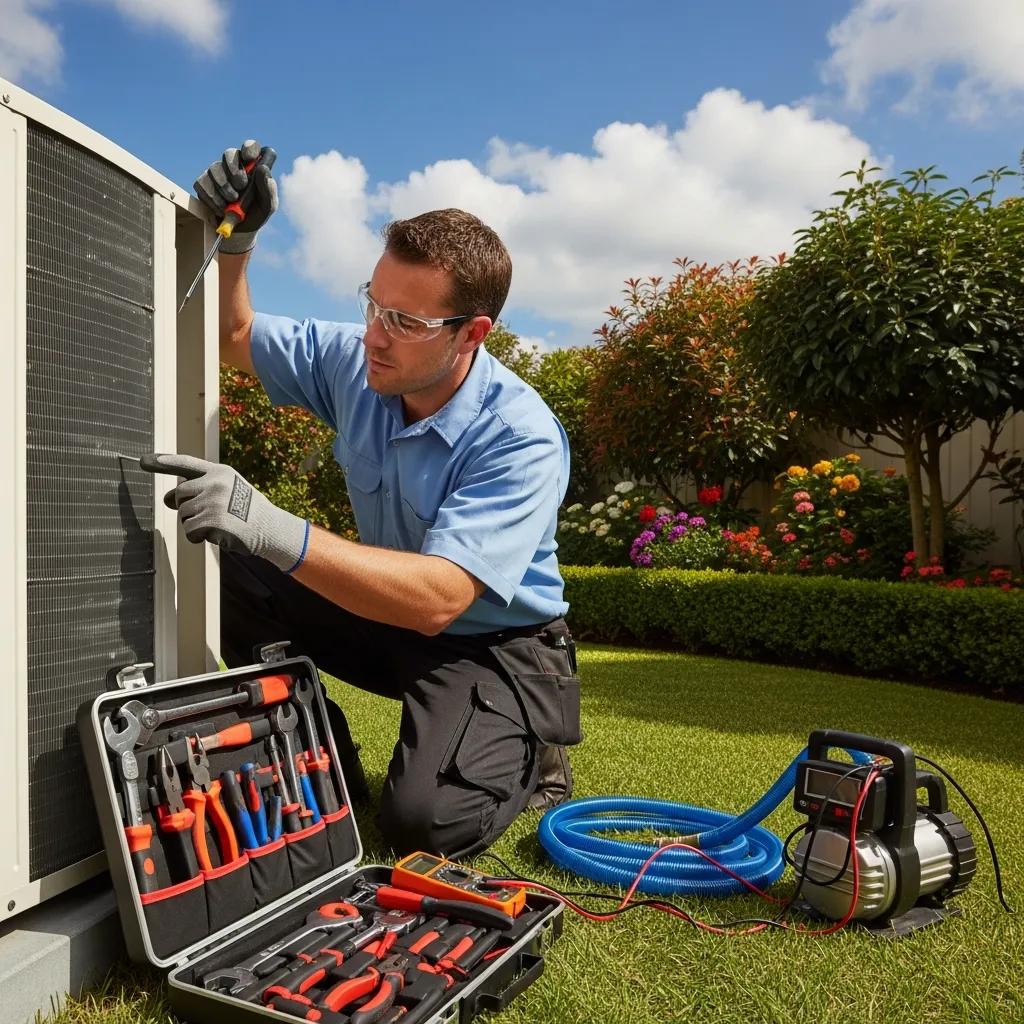
Common HVAC Problems and How to Fix Them: Troubleshooting and Solutions for Homeowners and Businesses
A working HVAC system keeps your home or business comfortable and healthy by controlling temperature, humidity, and airflow. This guide walks through the most common HVAC problems and gives clear, practical fixes homeowners and small-business operators can try. You’ll learn how to spot warning signs in cooling and heating systems, perform safe DIY checks, and know when it’s time to call a licensed technician. We focus on real components—thermostats, filters, coils, blower motors, ductwork, and refrigerant lines—and explain why each failure matters for efficiency, safety, and equipment life. If you’re in Winston-Salem, Mocksville, or nearby North Carolina communities, the tips here are tailored for humid summers and changeable winters. Read on for cooling troubleshooting and quick fixes, furnace checks, AC repair highlights, noisy-system diagnostics, filter guidance, and short-cycling and ductwork advice.
Why Is My HVAC System Not Cooling? Common Causes and Quick Fixes
When your system won’t cool like it should, it’s often because airflow is restricted, controls are misconfigured, refrigerant is low, or the outdoor unit has an issue. Dirty filters or blocked returns reduce heat transfer and make the system run longer; a thermostat set wrong or wiring problems can keep the system from calling for cool air. Low refrigerant or a failing condenser will lower cooling and usually need a certified tech. Fixing airflow and simple control issues often brings comfort back fast. Below are practical symptoms to help you narrow down the cause and safe checks homeowners can perform.
What Are the Symptoms of an HVAC System Not Cooling Properly?
Warm air from vents, weak airflow, and a system that runs constantly without reaching the set temperature are classic signs of poor cooling. You can measure vent temperatures and compare rooms—on a healthy system you’ll typically see about a 15–20°F drop across the evaporator coil; smaller differences point to airflow or charge problems. Winston-Salem humidity can make marginal cooling feel worse, so check both temperature and relative humidity while diagnosing. Also note whether the outdoor condenser is running and listen for hissing, bubbling, or other unusual sounds—those clues help separate electrical, refrigerant, and airflow issues and guide your next steps.
How Can I Troubleshoot and Fix AC Cooling Issues Myself?
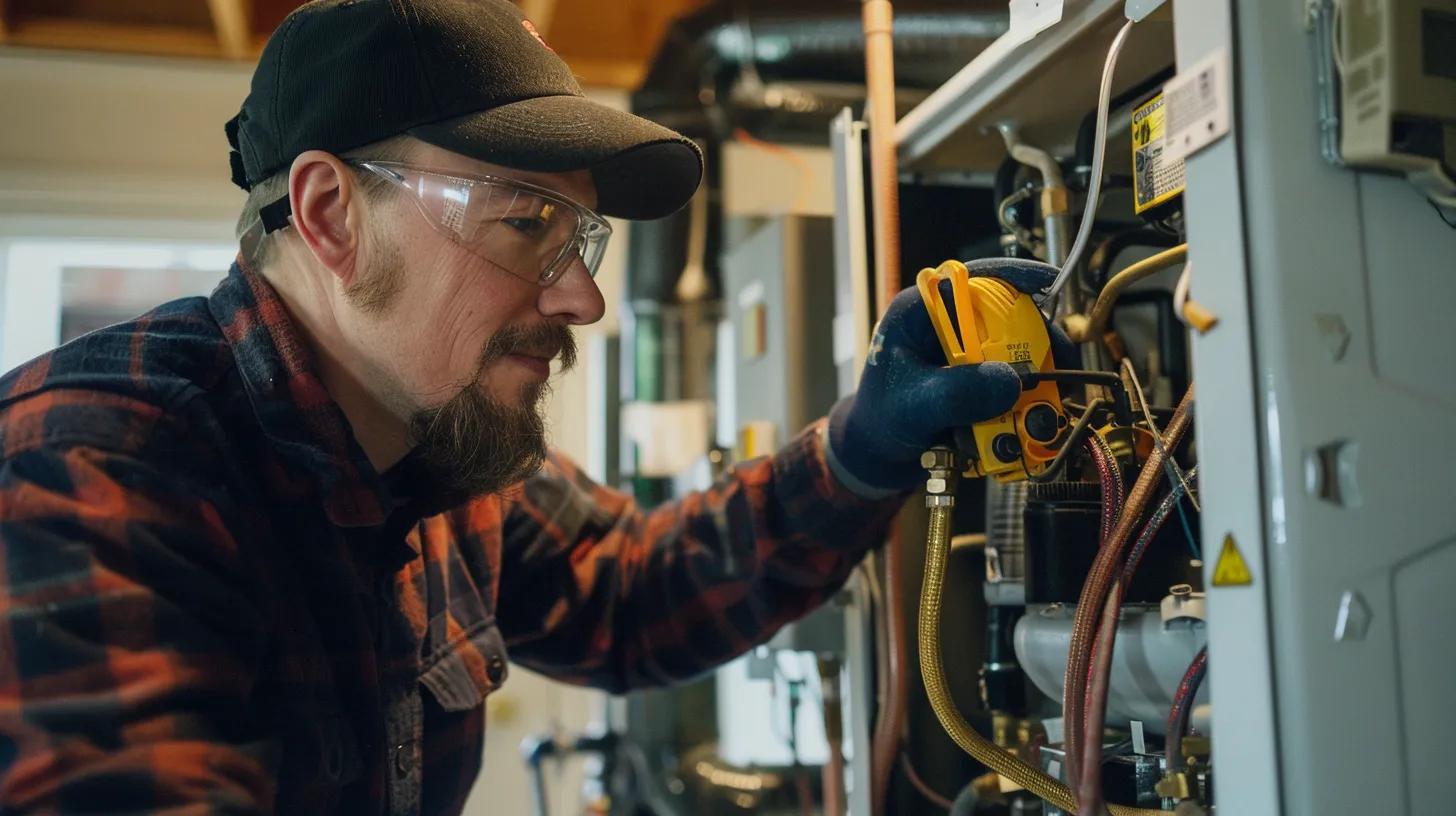
Begin with safe, noninvasive checks: switch power off at the thermostat and the outdoor disconnect before touching equipment, then inspect and replace clogged filters, clear debris around the outdoor unit, and make sure registers are open. Verify thermostat settings (cool mode, correct setpoint, fan on auto) and check breakers or disconnects for tripped power—sometimes a reset brings things back. If airflow is still weak after filter and register checks, look at the outdoor coil for dirt or bent fins and gently clean or straighten fins following the manufacturer’s instructions. If you see ice on lines, hear hissing, or cooling remains poor, those point to refrigerant or compressor problems and need a licensed technician. When DIY steps don’t fix it, call a pro to avoid damaging the compressor.
- Common homeowner checks before calling a technician: Replace or inspect the air filter to restore airflow and proper heat exchange. Confirm thermostat mode and power so the system is actually being told to cool. Clear debris around the outdoor unit and visually inspect the condenser coil for heavy buildup.
These simple steps often restore usable cooling; if not, the issue is likely more technical.
Blown Away HVAC handles AC repair and offers 24/7 emergency support for problems beyond safe DIY—like suspected refrigerant leaks, compressor failures, or electrical faults. If filter changes, thermostat resets, and outdoor coil cleaning don’t bring relief, consider scheduling a licensed technician. We serve Winston-Salem, Mocksville, and nearby areas with certified techs who understand the local climate and code requirements.
How to Troubleshoot Furnace Not Heating Problems: Causes and Solutions

When a furnace won’t produce heat, the cause is usually control, ignition, airflow, or power-related. Safe, step-by-step checks start with thermostats, breakers, and safety switches—these are homeowner-friendly and often fix simple outages. Issues like ignitor or pilot failures, blocked condensate drains, or heat exchanger problems are more advanced and can create combustion or carbon monoxide risks, so they require a licensed technician. Below we list symptoms and guidance on when to escalate for professional help.
What Are the Common Signs of Furnace Heating Failure?
No heat, intermittent heat, odd odors, and visible soot or a yellow flame are all signals of serious furnace problems that need prompt attention. If the blower runs but the house stays cold, that often points to an ignition failure or a bad limit switch; repeated cycling can come from airflow restriction such as dirty filters or an oversized unit. Smelling gas or seeing soot are urgent red flags—turn the system off and call a pro immediately. Start with safe checks like thermostat batteries, breakers, and filter condition before moving on to technician-level diagnostics.
When Should I Call a Professional for Furnace Repair?
Call a licensed technician for gas odors, persistent no-heat after basic resets, burning electrical smells, or visible combustion problems like soot or yellow flames—these are safety issues that need trained handling. Complex electrical faults, suspected heat exchanger cracks, and repeated ignitor failures also require testing and repair by a professional who knows local codes. For Winston-Salem and Mocksville homeowners, using licensed pros ensures repairs meet North Carolina standards and that combustion systems are verified safe. If basic troubleshooting doesn’t restore consistent heat, schedule service quickly to avoid damage or safety hazards.
- Immediate professional call triggers: Gas smell or visible soot, which could indicate a gas leak or combustion issue. Electrical burning odor or smoke, a sign of a potentially dangerous electrical fault. Persistent no-heat after thermostat and breaker checks, suggesting ignition or control failure.
Use these signs to decide when to stop DIY and get licensed help.
Blown Away HVAC offers furnace repair with a safety-first approach for gas and electrical systems; homeowners in Winston-Salem and Mocksville can request emergency service when problems meet the urgent criteria above. Professional repairs protect system life and ensure safe operation.
What Are the Most Common AC Repair Issues and How Are They Fixed?
Major AC repairs usually involve refrigerant leaks, capacitor or motor failures, compressor faults, and frozen evaporator coils. Each issue affects performance differently and has a specific repair path. Refrigerant problems show up as hissing, ice on lines, or oily residue; electrical parts like capacitors and contactors can cause startup failures or intermittent operation. Compressor failures are serious and costly—professionals should evaluate repair or replacement. Frozen coils most often come from airflow restriction or low refrigerant and can be cleared with defrost and maintenance. The table below summarizes common components, symptoms, and typical fixes to help you spot likely causes.
This table compares common AC components, observable symptoms, and typical repair actions for quick reference.
| Component | Symptom | Typical Fix |
|---|---|---|
| Evaporator coil | Ice formation, reduced cooling | Turn system off to defrost; check filters and airflow; professional coil cleaning if needed |
| Condenser coil | Hot indoor air, system short-cycles | Clear debris; clean fins; professional fin straightening or coil service |
| Compressor | Unit won’t compress, loud clunking | Professional diagnostics; possible compressor replacement or system recovery |
| Refrigerant lines | Hissing, oily spots, low output | Pressure testing and certified refrigerant repair by licensed technician |
| Capacitor / Contactor | Failure to start, humming | Replace electrical component by qualified technician |
How Do Refrigerant Leaks Affect AC Performance and How Are They Detected?
Refrigerant is the fluid that moves heat through your system; a leak reduces cooling ability, causes long run times, poor temperature control, and can damage the compressor. Look for oily residue near service ports, listen for hissing, and check for smaller-than-normal temperature drops across the evaporator. Finding and repairing leaks typically requires pressure testing and electronic detectors handled by certified technicians—refrigerant charging is regulated and must match manufacturer specs. If you suspect a leak, stop any DIY refrigerant work and call a licensed service provider to locate, repair, and recharge the system.
Common HVAC System Faults: Causes, Detection, and Diagnosis
In Heating, Ventilation, and Air Conditioning (HVAC) systems, faults can occur for many reasons such as drift deviation, valve or fan failure, water clogging, air filter obstruction, temperature sensor failure, and more. Electrical machinery faults can stem from causes like phase reversal, over- or under-voltage, starter open/short circuit, bearing problems, insulation breakdown, overloading, thermal imbalance, environmental factors, and other technical issues. Fault analysis at various stages of electrical systems is critical for reliable operation. To support safe and reliable operation of modern electrical systems, fault detection and diagnosis are necessary to avoid losses. This work reviews faults, their causes, detection methods, and classifications.
A comprehensive study on fault detection and diagnosis for reliable operation of HVAC, energy buildings and machineries, GM Malwatkar, 2024
Refrigerant leaks are a major cause of AC inefficiency, and recognizing how they show up helps you get timely repairs. That’s especially important given the broader inefficiencies seen in many building HVAC systems.
Why Is My HVAC Unit Making Strange Noises? Diagnosing and Responding to Noisy Systems
Strange HVAC noises usually flag mechanical, electrical, or airflow problems. Matching the sound to likely causes helps prevent a small issue from becoming a big one. Rattling or banging often comes from loose panels, debris in the blower, or duct movement; squealing points to worn bearings or belt problems; hissing can be refrigerant or air leaks. If you smell burning or see smoke, shut the system off immediately. Homeowner checks include tightening accessible panels and clearing visible debris, but electrical or internal mechanical noises typically need a technician’s diagnosis. The sections below trace common sounds to probable causes and explain how blower problems affect noise and performance.
What Do Different HVAC Noises Mean?
Different noises map to different faults: rattles and bangs often come from loose parts or shifting ducts, squeals indicate motor bearings or slipping belts, and hisses can mean refrigerant or duct air leaks. Clicking at startup is commonly a relay or capacitor issue, while grinding suggests severe motor or bearing wear that needs prompt attention. If a burning smell appears with noise, power the system down and contact a professional to avoid fire hazards. Recognizing these cues helps you decide whether a quick homeowner fix is possible or whether a technician is required.
How Can Blower Motor Issues Affect HVAC Noise and Performance?
A failing blower motor reduces airflow, raises system static pressure, and often produces whining, squealing, or grinding as bearings wear or the motor draws too much current. Poor blower performance leads to uneven temperatures, higher energy bills, and stress on the heat exchanger or compressor from inadequate heat transfer. Sometimes a bad capacitor mimics motor failure and is an easier fix, but accurate diagnosis needs electrical testing by a technician. Restoring proper blower function improves airflow, cuts noise, and boosts overall efficiency.
- Signs that blower motor attention is needed: Persistent whining or grinding from the air handler. Noticeable reduction in airflow at vents after checking filters. Frequent breaker trips when the system starts up.
Spotting these signs early helps prioritize service and avoid costly failures.
How Do Dirty HVAC Filters Impact System Efficiency and How Do I Replace Them?
Air filters trap dust and particles and protect airflow and indoor air quality. When filters get dirty they restrict airflow, reduce heat transfer, raise energy use, and increase wear on blowers and coils. Signs of a clogged filter include visible dust, low vent airflow, longer runtimes, and uneven temperatures. Replacing filters is one of the highest-impact homeowner maintenance tasks and improves comfort and system life. If you prefer, a professional maintenance plan can handle scheduled filter changes and inspections. Below is a quick comparison of common filter types and suggested replacement intervals for different households.
| Filter Type | Performance (MERV) | Maintenance Frequency |
|---|---|---|
| Fiberglass | MERV 1–4; basic particle capture | Replace every 30 days in typical homes |
| Pleated (standard) | MERV 6–11; balanced filtration and airflow | Replace every 60–90 days; more often with pets |
| High-efficiency (HEPA-like) | MERV 13+; superior particle removal | Replace every 90 days or follow professional guidance; verify compatibility |
| Washable reusable | Varies; lower MERV typical | Clean monthly and inspect; may reduce airflow if not fully cleaned |
What Are the Signs of a Dirty or Clogged HVAC Filter?
Visible dust buildup, weaker airflow at vents, longer run times, and sudden jumps in energy use are reliable signs a filter is clogged. Filters that look dark gray or compressed have lost porosity and should be replaced immediately. Uneven room temperatures can also point to blocked returns or dirty filters. If you compare airflow before and after a filter change, you’ll see the difference and the potential energy savings. Regular checks and a replacement log keep performance steady and protect the blower and coils.
Frequently Asked Questions
How often should I schedule professional HVAC maintenance?
We recommend at least one professional check per year—twice is better: once before the cooling season and once before heating season. Regular professional maintenance finds small issues before they become big, keeps efficiency high, and extends the life of your equipment. Schedule before peak seasons for the best performance when you need it most.
What are the benefits of a programmable thermostat?
Programmable thermostats save energy and boost comfort by letting you set schedules for when your home is occupied or empty. Many smart models let you control settings from your phone and learn routines to optimize performance. They’re an easy way to cut energy use without sacrificing comfort.
What are the signs that my HVAC system needs to be replaced?
Frequent repairs, rising energy bills, and inconsistent temperatures are common signs replacement may be more cost-effective. If your system is 10–15 years old and needs major work, replacing it often pays off. Loud unusual noises, persistent poor air quality, or repeated failures are other indicators—consult a professional to weigh repair versus replacement.
How can I reduce my HVAC energy costs?
Start with good insulation and air sealing to reduce heat loss and gain. Change filters regularly and keep outdoor units clear. Use a programmable thermostat to cut waste when you’re away, seal ductwork, and use ceiling fans to circulate air efficiently. When it’s time, upgrade to energy-efficient equipment to get the biggest long-term savings.
Conclusion
Knowing the common HVAC problems and how to address them helps homeowners and businesses stay comfortable and keep costs down. You can often solve minor issues quickly with basic troubleshooting, but rely on licensed professionals for complex or safety-related work. If you’d like help, explore our services to keep your system running smoothly and reliably.